
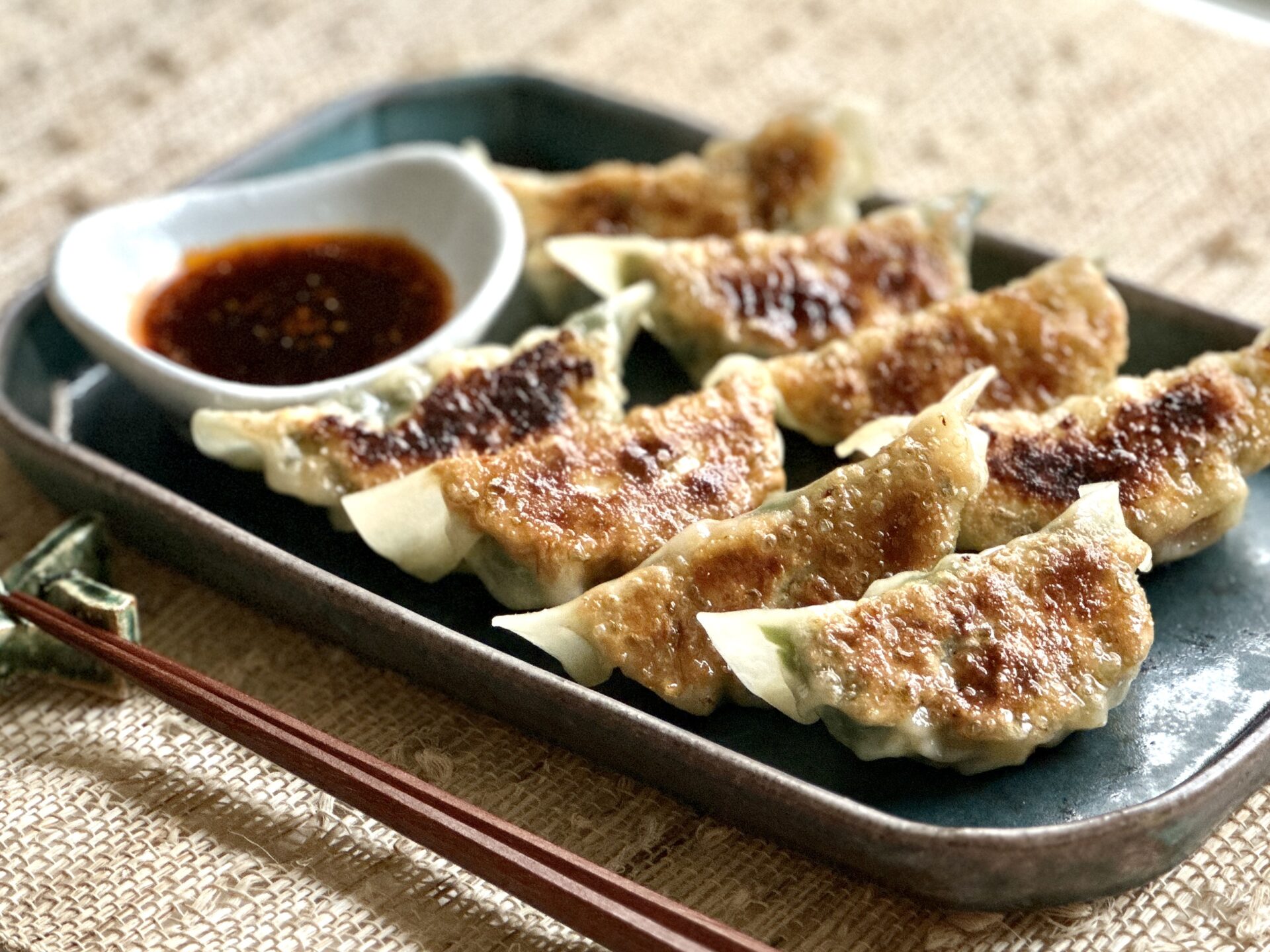
Shrimp Gyoza Recipe
Shrimp Gyoza are Japanese dumplings filled with a flavorful mixture of shrimp and vegetables, wrapped in delicate gyoza wrappers, then pan-fried and steamed to perfection. Compared to classic pork gyoza, they have a lighter taste and a delightfully plump, bouncy texture. Dip them in a tangy sauce with a touch of chili oil for the perfect balance of flavors. They make a wonderful appetizer to enjoy with beer or your favorite drinks, and are just as satisfying served as a main dish for dinner.
What’s Shrimp Gyoza?
Gyoza originally comes from China, and it is said to have become popular in Japan after 1945, following the end of World War II. Japanese soldiers who had been stationed in China tasted dumplings in Manchuria, and after returning home, began making and eating them in Japan as a nostalgic reminder of the flavors they had experienced there. Over time, the dish evolved to suit Japanese tastes and cooking styles.
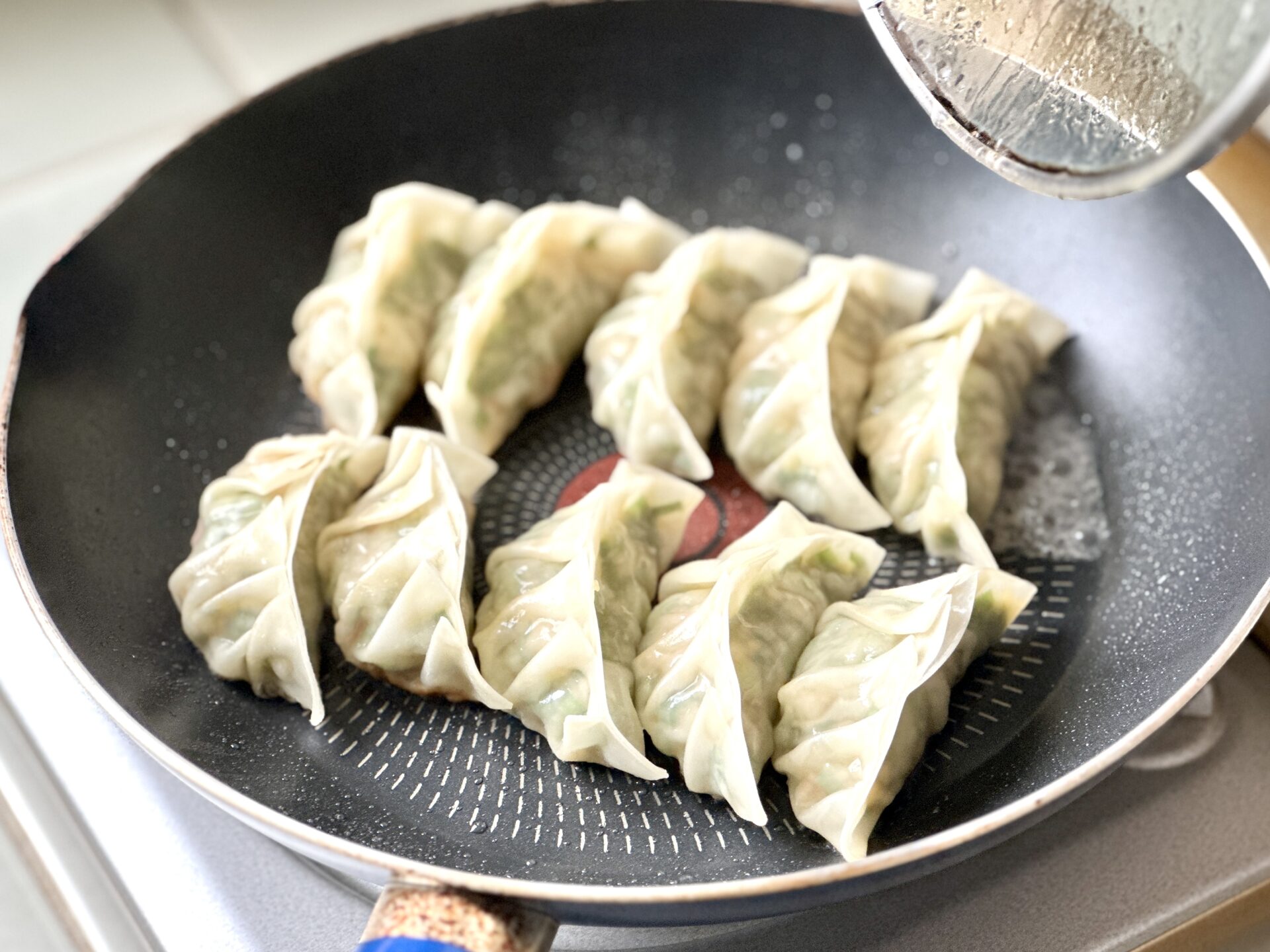
Gyoza are dumplings made with a savory filling of meat and vegetables, wrapped in round, pasta-like wheat flour skins, then pan-fried until crisp on the bottom and steamed until juicy inside. While Chinese dumplings are often boiled, Japanese gyoza are most commonly pan-fried. Today, they are a very popular and well-established part of Japanese cuisine, enjoyed everywhere from home kitchens to ramen shops and specialty gyoza restaurants.
Shrimp Gyoza is a variation of the classic version, which typically uses pork as the main filling in Japan. Although shrimp gyoza is less common, it is just as delicious—especially for seafood lovers. The flavor is lighter and more delicate, making it a great alternative when you’re in the mood for something a bit less rich but still deeply satisfying. The cooking method remains almost the same as regular gyoza, but shrimp contains much less fat than pork, resulting in a fresher, cleaner taste and a pleasantly bouncy texture.
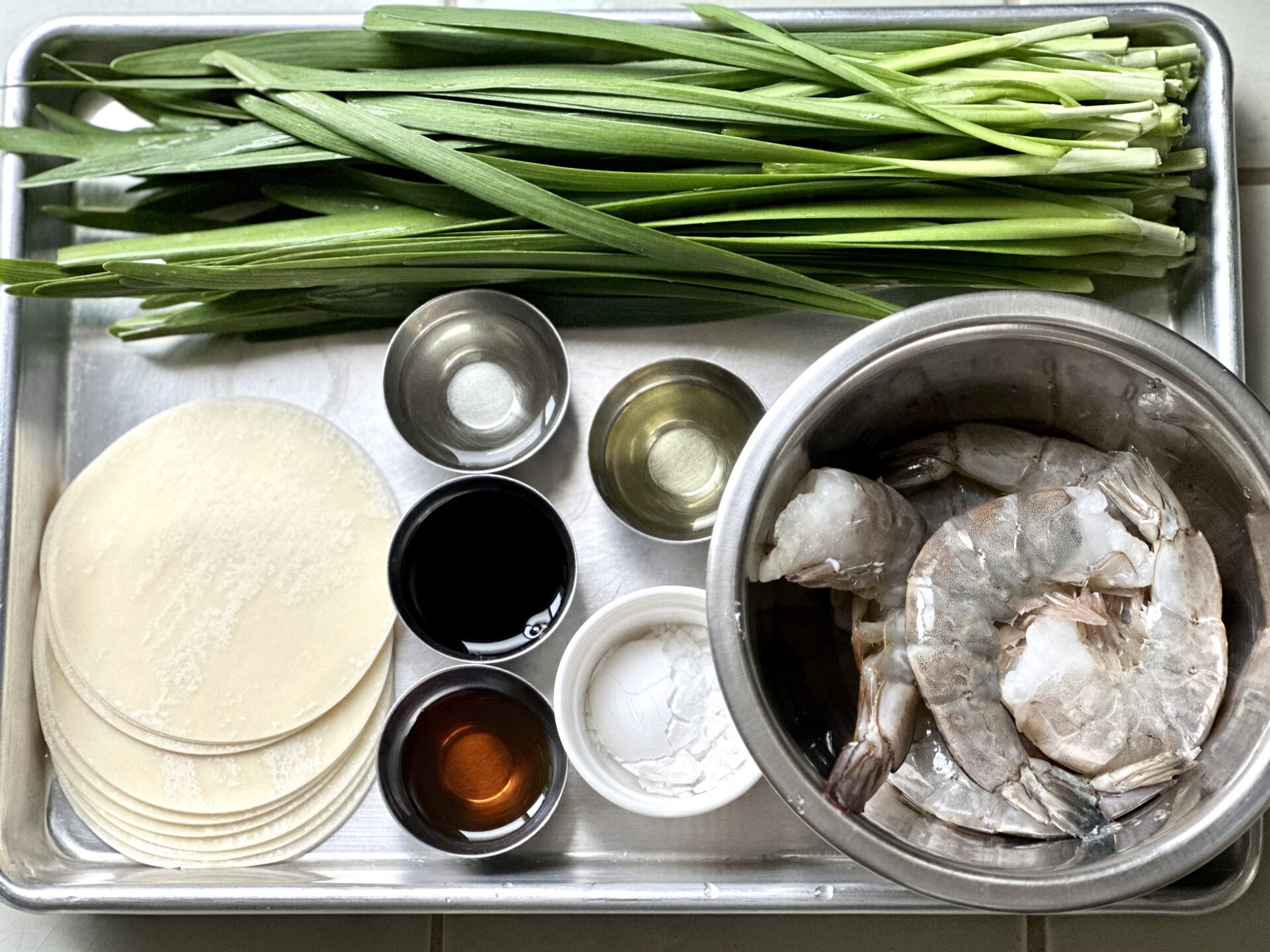
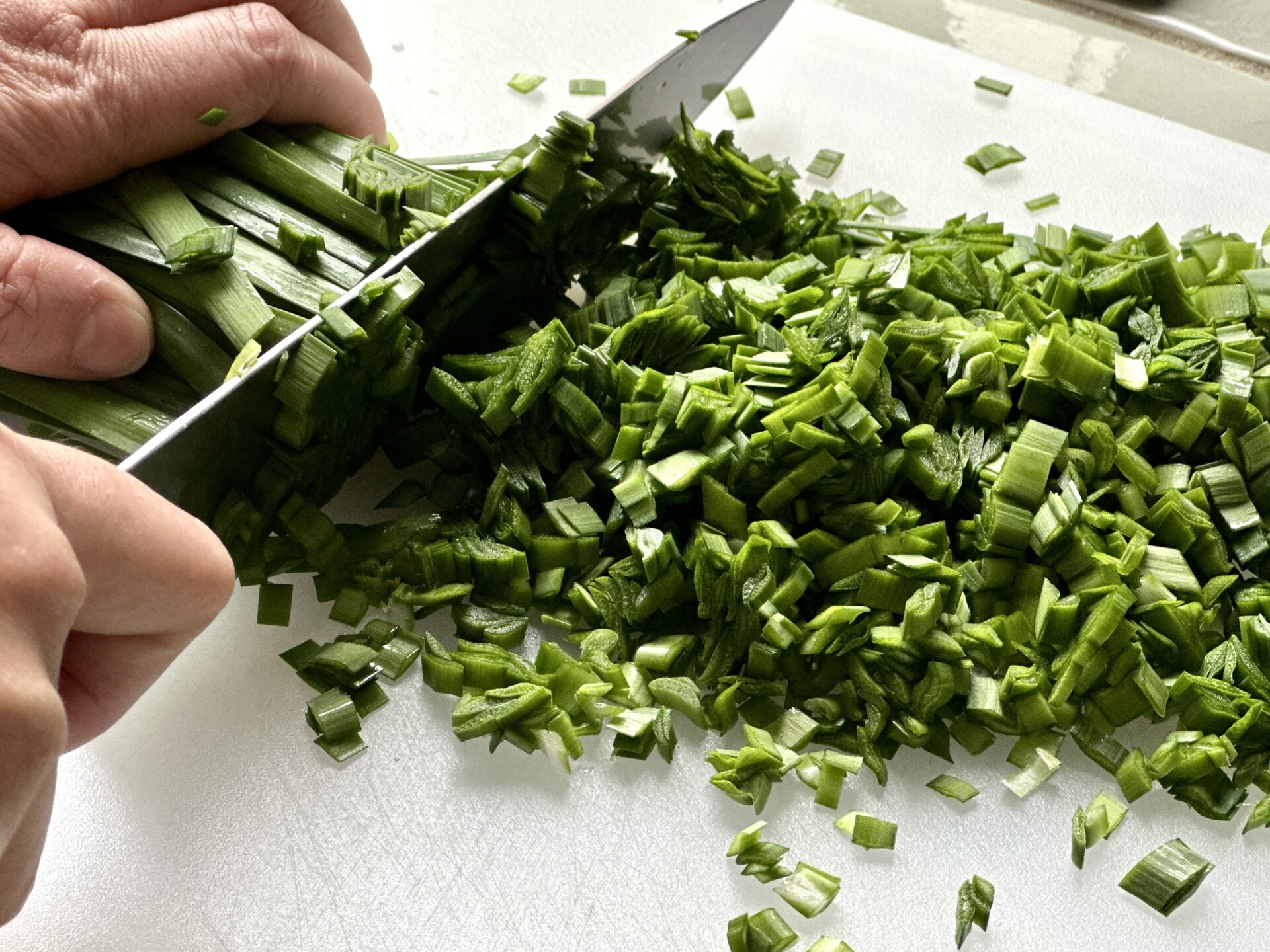
For this recipe, we used Nira (garlic chives) instead of the usual cabbage and green onions found in our regular Gyoza recipe. Nira looks similar to flat green onions and has a wonderful garlicky aroma that pairs perfectly with shrimp. It adds depth without overpowering the delicate seafood flavor. You can usually find it at Asian supermarkets. If it’s not available, don’t worry — simply substitute green onions and add a little grated garlic to achieve a similar flavor profile.
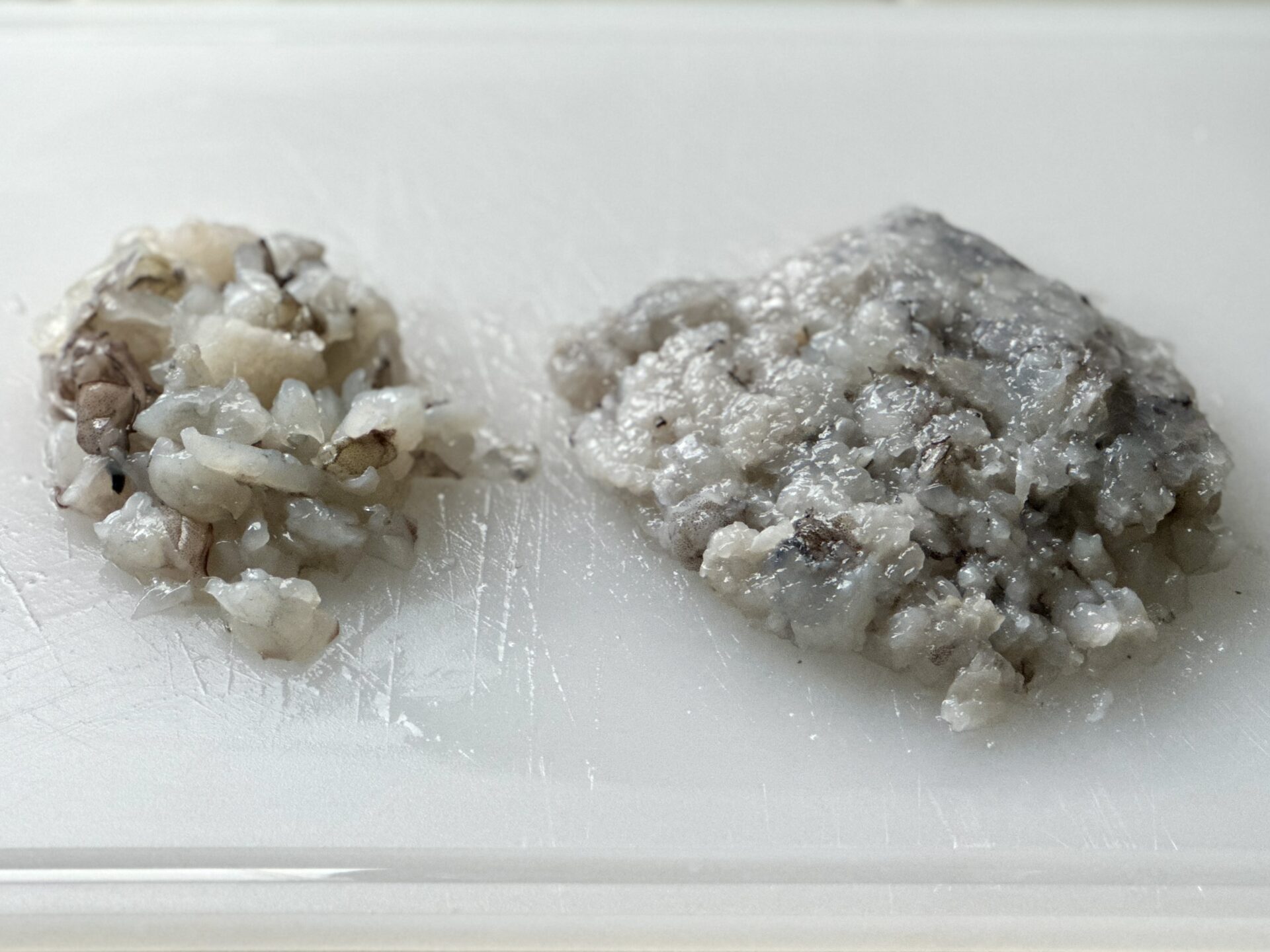
We used a food processor to make a smooth shrimp paste, which helps create that signature springy texture. However, you can also finely chop some or all of the shrimp by hand for a slightly chunkier filling. Mixing smooth paste with small pieces of shrimp gives the dumplings a more interesting texture and a satisfying bite.
Tips for Shrimp Gyoza
- If you’re new to folding dumplings, watch our Gyoza video to learn how to make neat pleats. A simpler method is to first press the smooth edges of the wrapper together to seal, then create pleats. Or, if you prefer to keep things easy, simply press the edges firmly together without pleating at all. They will still taste just as delicious — pleats are more about appearance than flavor.
- The classic Japanese gyoza dipping sauce is a mixture of rice vinegar and soy sauce with a little chili oil. The balance of tangy and savory flavors pairs beautifully with the juicy dumplings. You can also try soy sauce with a small dab of Karashi (Japanese mustard) for a sharp, spicy kick. For a lighter option, rice vinegar with ground pepper is simple but surprisingly delicious.
- For a flavor variation, try replacing part of the Nira (garlic chives) with chopped cilantro. The bright, refreshing herbal note complements the sweetness of the shrimp very well and gives the gyoza a slightly more vibrant taste.
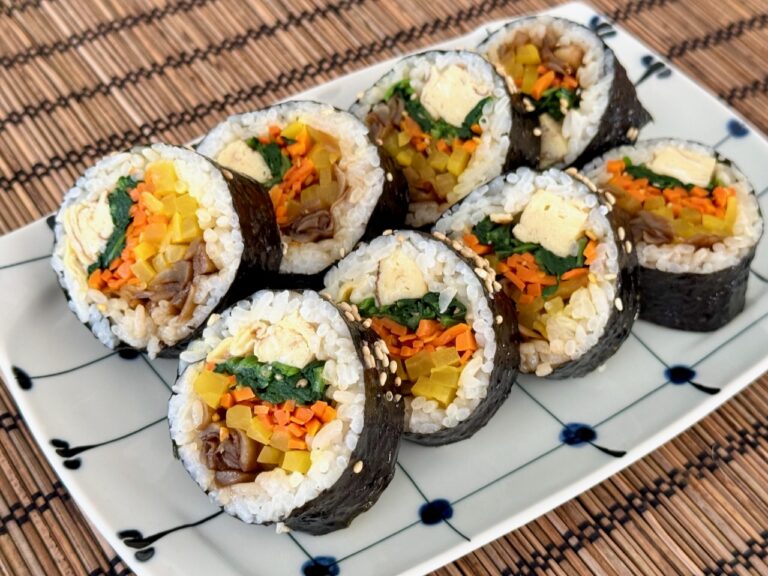
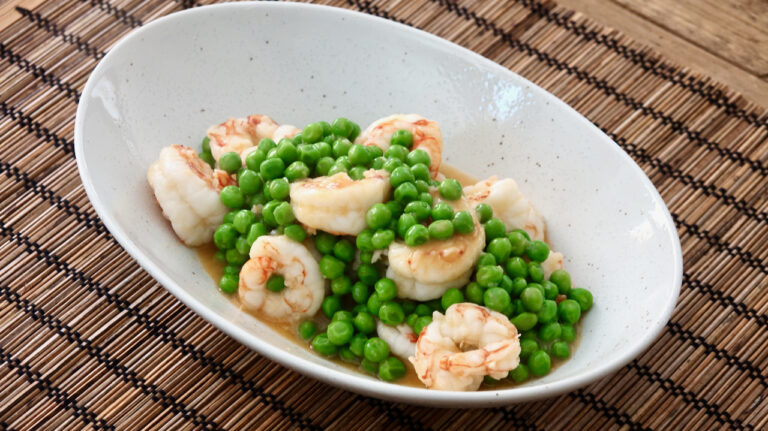
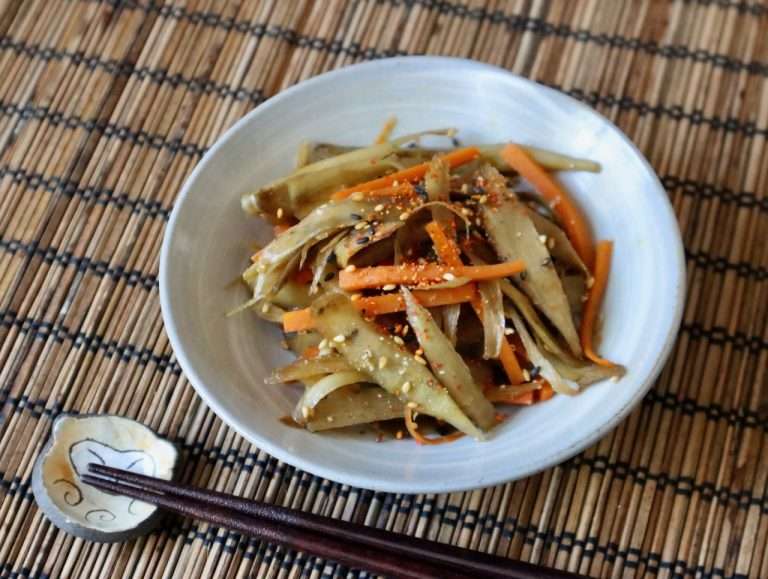
More recipes like Shrimp Gyoza
Video
Ingredients
- 12 oz shrimp (peeled and de-veined, tails removed)
- 1 cup Nira (Chinese or garlic chives, chopped finely)
- 1 1/2 Tbsp soy sauce
- 1 1/2 Tbsp Sake
- 1 Tbsp sesame oil
- 2 Tbsp cornstarch
- 30 gyoza wrappers
- 1-2 Tbsp oil
- 1/3 cup water
Dipping Sauce
- 3 Tbsp soy sauce
- 3 Tbsp Rice Vinegar
- 1 tsp chili oil (Rayu or sesame oil)
Instructions
- Chop 1/3 of shrimp coarsely with knife. Mince the rest of the shrimp in a food processor.
- Slice Nira chives finely.
- In a large bowl, add shrimp, Nira chives, soy sauce, sake, sesame oil and cornstarch and mix well.
- Take a gyoza wrapper in your hand and place a tablespoon of meat mixture in the center of the wrapper. Moisten the edge along the lower half of the wrapper and fold the upper half of the wrapper up to meet the moistened edge. Fold one of the edges in a series of pleats (about 6), leaving the other edge smooth. Press the edges together to seal the gyoza. Another simpler way to fold is to first press the smooth edges together and then fold both edges into pleats. (This can sound a little confusing, but it's easy after watching Gyoza and Shrimp Gyoza videos.) Repeat for the rest of the wrappers.
- Heat a pan at medium high heat and add oil. Place gyoza on a pan and cook until the bottom becomes golden brown.
- Add water and immediately cover with a lid. Cook until the water boils away.
- Mix soy sauce, rice vinegar, and chili oil together for dipping sauce.


Originally posted August 17, 2013. Updated on March 23, 2016.


Hello Noriko,
I just booked marked your website! I love Japanese home style cooking, and the recipes and
videos are so helpful! I’m going to make your Shrimp Gyoza with my Japanese friends this weekend sleepover party!
Thank you !
Gyoza party! Enjoy!
Wow! Love your site! Gonna try your Gyoza because the pictures are making me hungry!!! 🙂
kitkat,
hope you like our Gyoza!
I made them and they were very good thank you.
I loved this so much! I made it recently and followed all the steps that you have provided. I couldn’t find the chives, but I used spring onion instead and used some crushed garlic in the mixture. As well as this, I decided to put in a dash of ginger and some chilli flakes. Because the mixture is raw, you can’t do it to taste, so I had to make do… but it still turned out very well.
However, oil in the pan and then water? If the pan is too hot it may be a fire hazard. I actually took them out of the pan and put them in to a pot and then poured the water over and let it steam out (also because I dont have a lid for my pan)
Thanks for the recipe, this is my new favourite site!
I was wondering if you can make them ahead of time ?
Hi
I made it last night and my bf really love it.
Thank you for the recipe.
The water is so that the gyoza steam to finish. Don’t put so much oil in that it splatters when u add the water and cover and ur golden.