

Yudofu Recipe
Yudofu (yu tofu, 湯豆腐) is Tofu cooked in simple Kombu broth in a pot served with tangy Ponzu sauce for dipping. It is one of the very simplest but most popular Nabe hot pot dishes eaten in winter time in Japan.
What’s Yudofu?
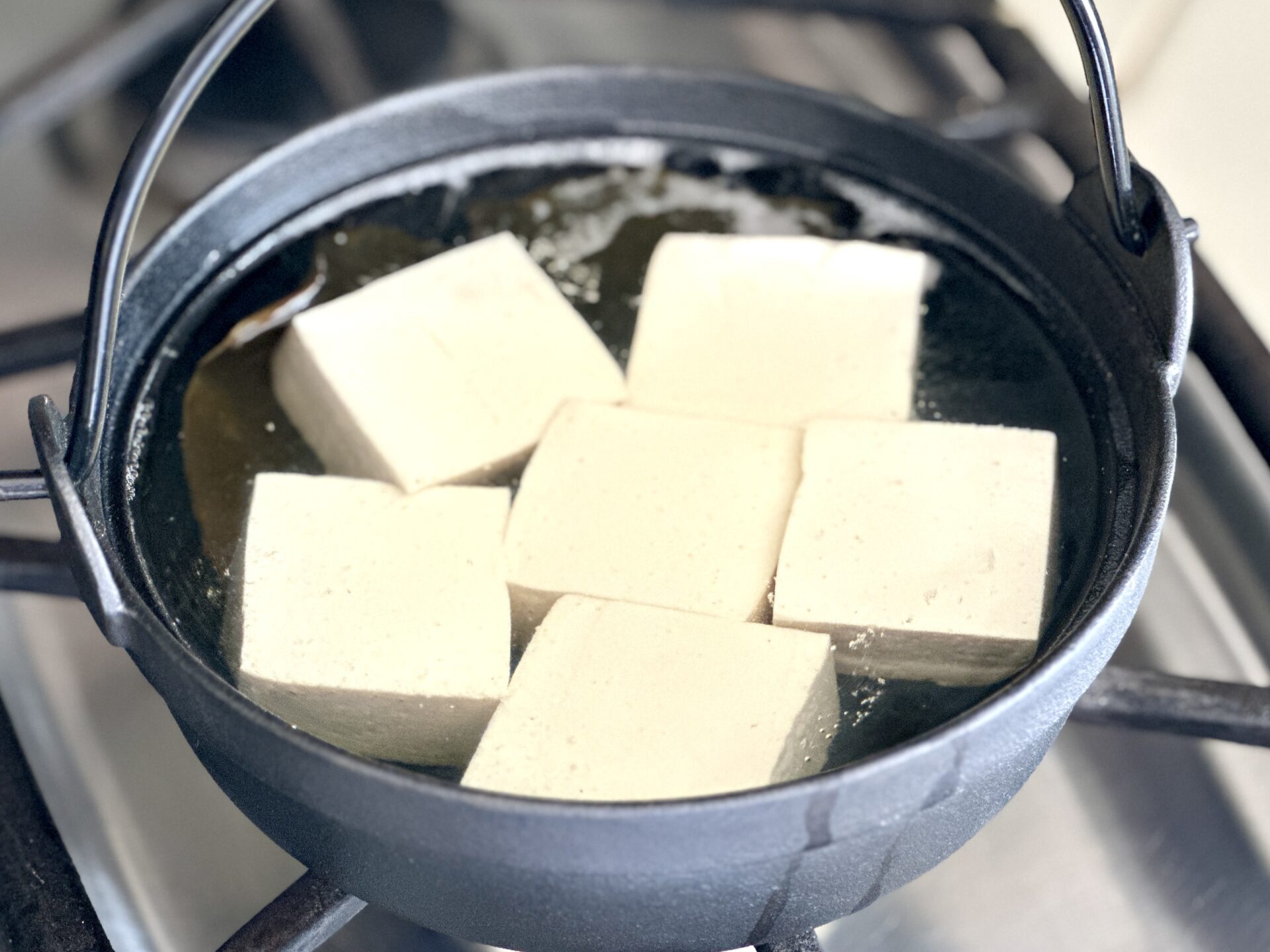
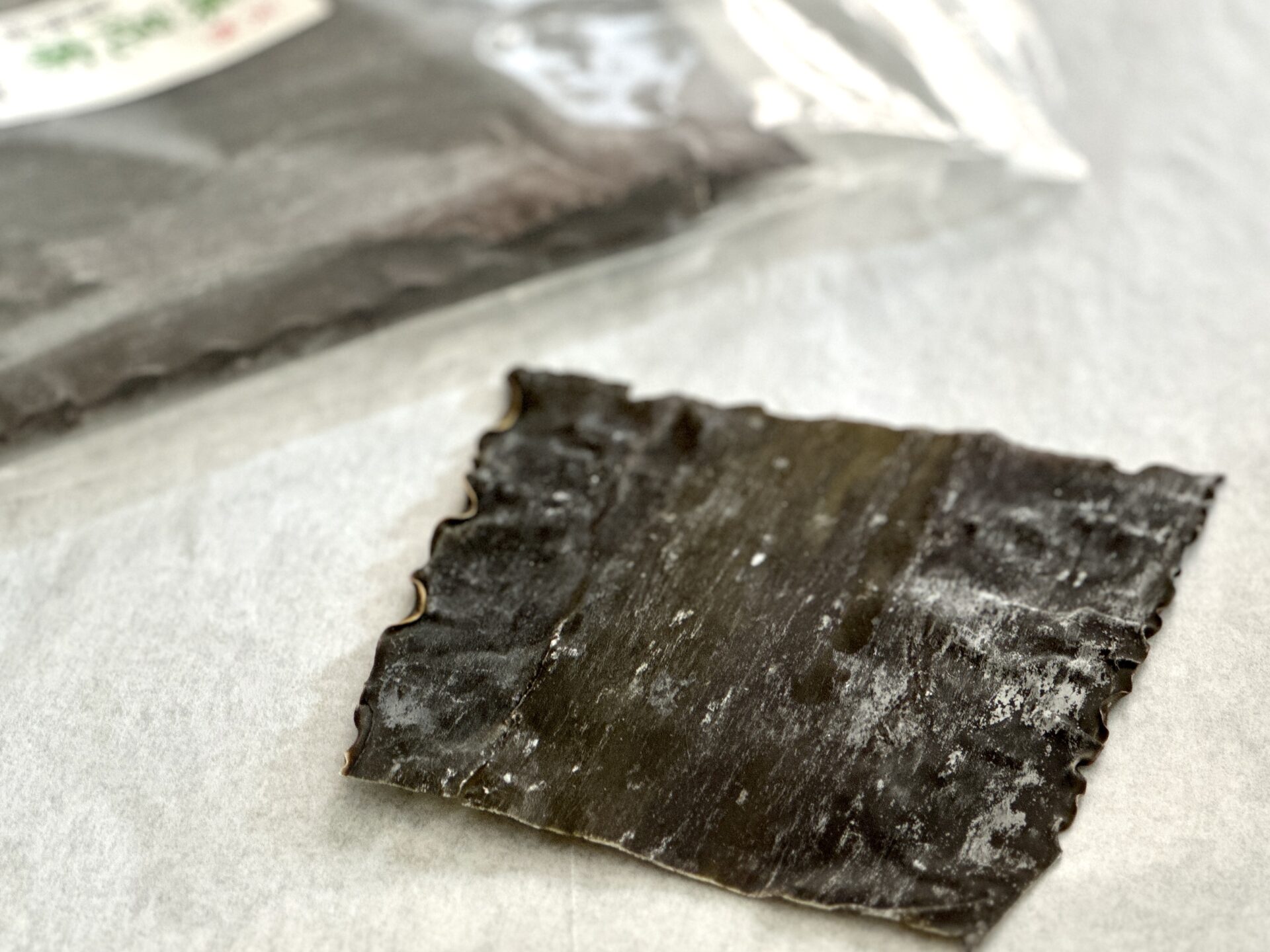
Yudofu literally means tofu in hot water in Japanese. It is certainly a simple dish, but not that simple. Usually, the hot water is not actually just water; it’s gently infused with Kombu (dried kelp) to create a light broth that gives the dish more flavor. Just because everything tastes mild doesn’t mean it’s tasteless. Yudofu is about enjoying the subtle flavor of each ingredient, and that’s the whole point. You may notice the natural soybean flavor of the tofu more clearly, or begin to appreciate the delicate nuance of dashi in the background.
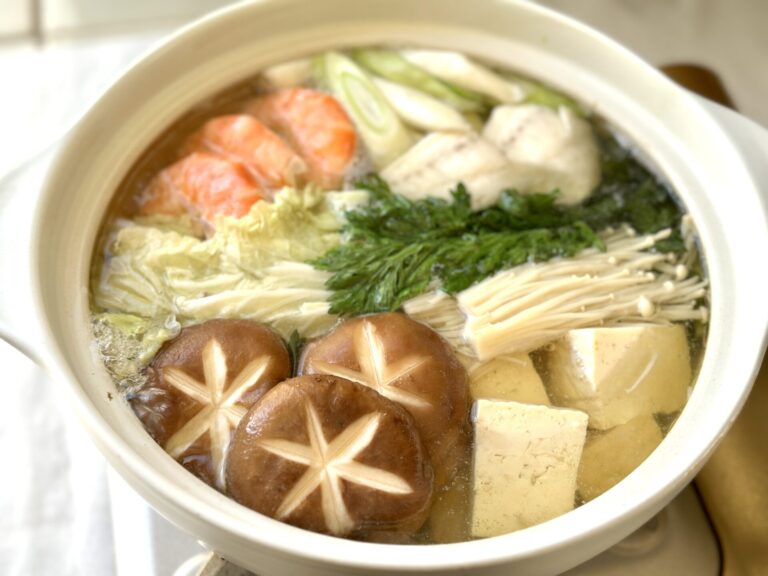
Nabe (Nabemono) hot pot dishes are usually packed with vegetables, fish, and meat, but Yudofu is all about tofu. You could add white long onions or mild fish like cod to the same pot, but at that point it starts to feel more like a regular Nabe. It may sound a little boring at first, but Yudofu is about enjoying simplicity and the delicate flavor of tofu itself, so try it without adding anything else—at least the first time.
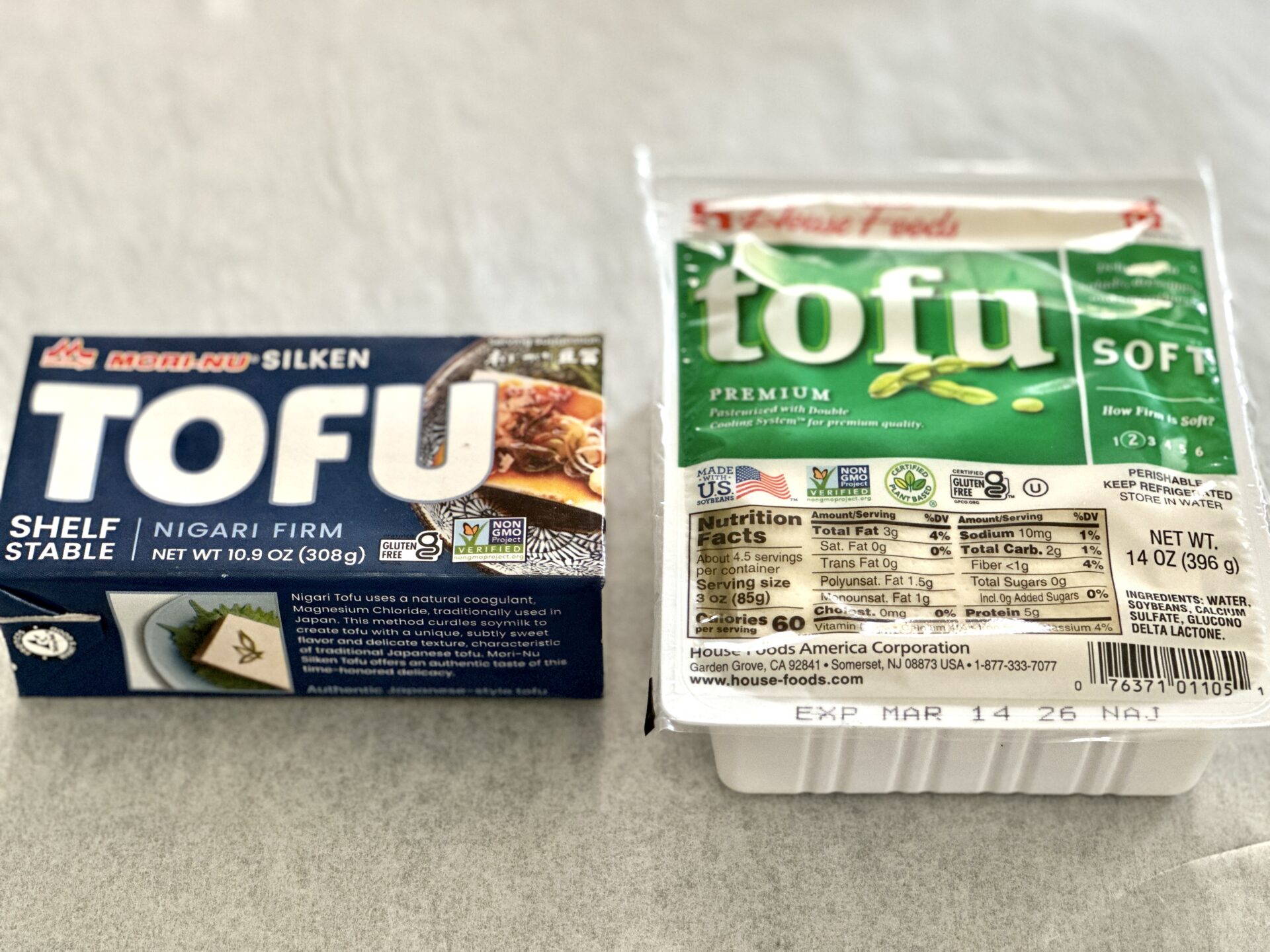
There are mainly two kinds of tofu: Kinugoshi and Momen. Kinugoshi has a softer, smoother texture, while Momen is firmer, denser, and has a stronger soybean flavor. For Yudofu, soft Kinugoshi is often preferred for its texture and mouthfeel, but flavor-wise, medium-dense, slightly coarser Momen has a lot to offer. Because the taste of tofu is so important in this dish, it’s worth splurging on good-quality tofu if you can. Tofu is usually sold in the refrigerated section, but you can also find shelf-stable, non-refrigerated tofu. It’s very convenient to keep in your pantry since it has a much longer shelf life and is handy to have on hand when you need it.
Typical condiments and sauces for Yudofu are green onions and Ponzu sauce. The fresh aroma and mild spiciness of green onions pair well with tofu, and the tangy, citrusy Ponzu adds brightness. Grated daikon radish is also a classic addition to hot pot dipping sauces, adding a gentle spiciness and refreshing flavor. Sometimes Ponzu can feel a bit too sharp, in which case Mentsuyu or even simple soy sauce works beautifully drizzled over the hot tofu. There’s no need to go over the top with sauces—keeping it simple is part of the beauty of Yudofu.
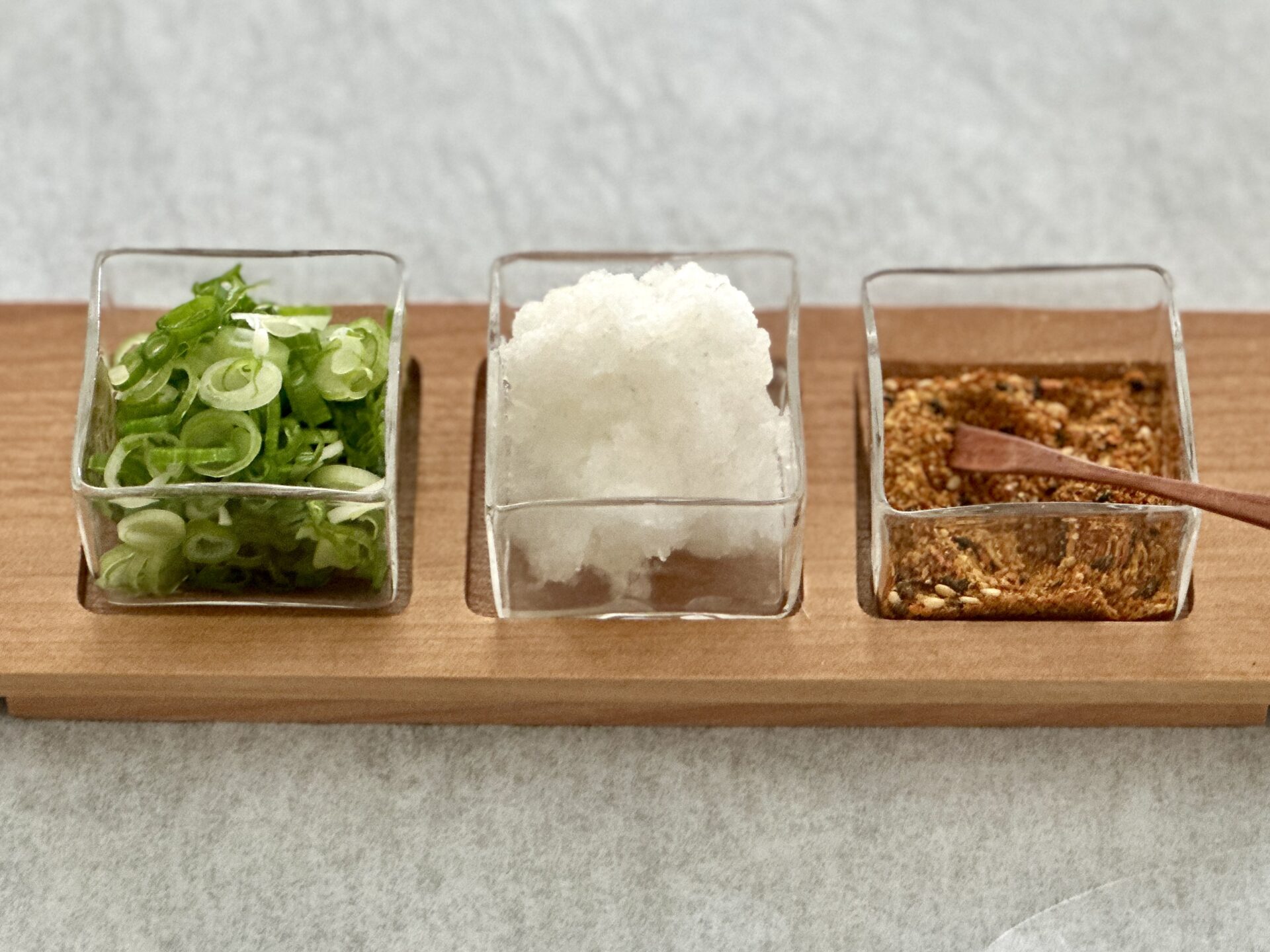
Tips and substitutions for Yudofu
- Is Kombu dashi too subtle for your taste? Try Katsuo dashi made with bonito flakes instead. It has a bolder, fish-forward flavor, but it won’t overpower the simple taste of the tofu.
- Be careful not to overcook the tofu, especially when using Kinugoshi (silken) tofu, as overcooking can slightly change its texture. The tofu should be heated all the way through, but there’s no need to simmer it for a long time.
- Yudofu is best enjoyed at the table using a portable stovetop, but cooking it on a regular stove and bringing the pot to the table works just fine. It’s a lovely dish to share with others, but it’s also easy to make as a single serving.
- Need a little kick? Try adding Shichimi Togarashi, a Japanese seven-spice chili blend. Its gentle heat and subtle citrus notes pair beautifully with Ponzu sauce and add just the right amount of spice.
More recipes like Yudofu
Video
Ingredients
- 4 cups water
- 1 sheet Kombu dried sea kelp
- 14 oz Tofu
- Ponzu
- 1-2 green onions (thinly cut)
- Shichimi
- grated Daikon radish (optional)
Instructions
- Put water and Kombu together in a pot and let boil, then turn down heat to medium low.
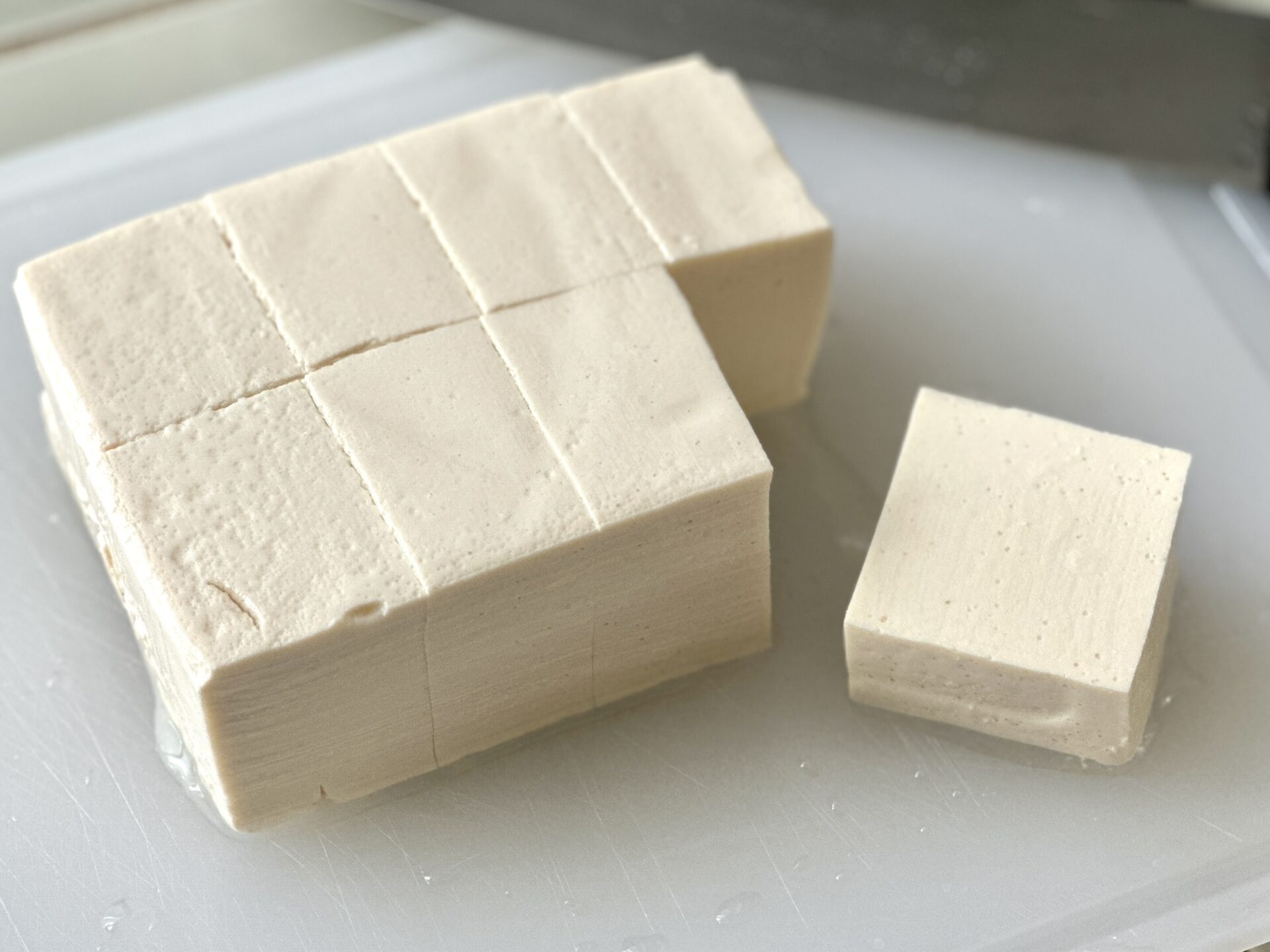
- Cut Tofu into 8 blocks and add to the pot. Cover and simmer for 7-8 minutes.
- Serve with Ponzu, green onions, and Shichimi.



Are you using hard, medium or soft tofu for this dish?
Alyx,
soft, but anything you want!
Do you have to KEEP it warm after it’s cooked? Is it okay to put in a bento for lunch?
Grace,
Yudofu can’t be in bento! That’s just tofu then! If you need Bento ideas, please go to our Bento Lunch Menu under Menu.
Thank you for this recipe! I wanted something light and nutritious and this was perfect. I really love the subtle flavor of the broth.
Brent,
glad you liked our Yudofu Recipe! If you like that, you would like our Mizutaki too. Try it in winter!