
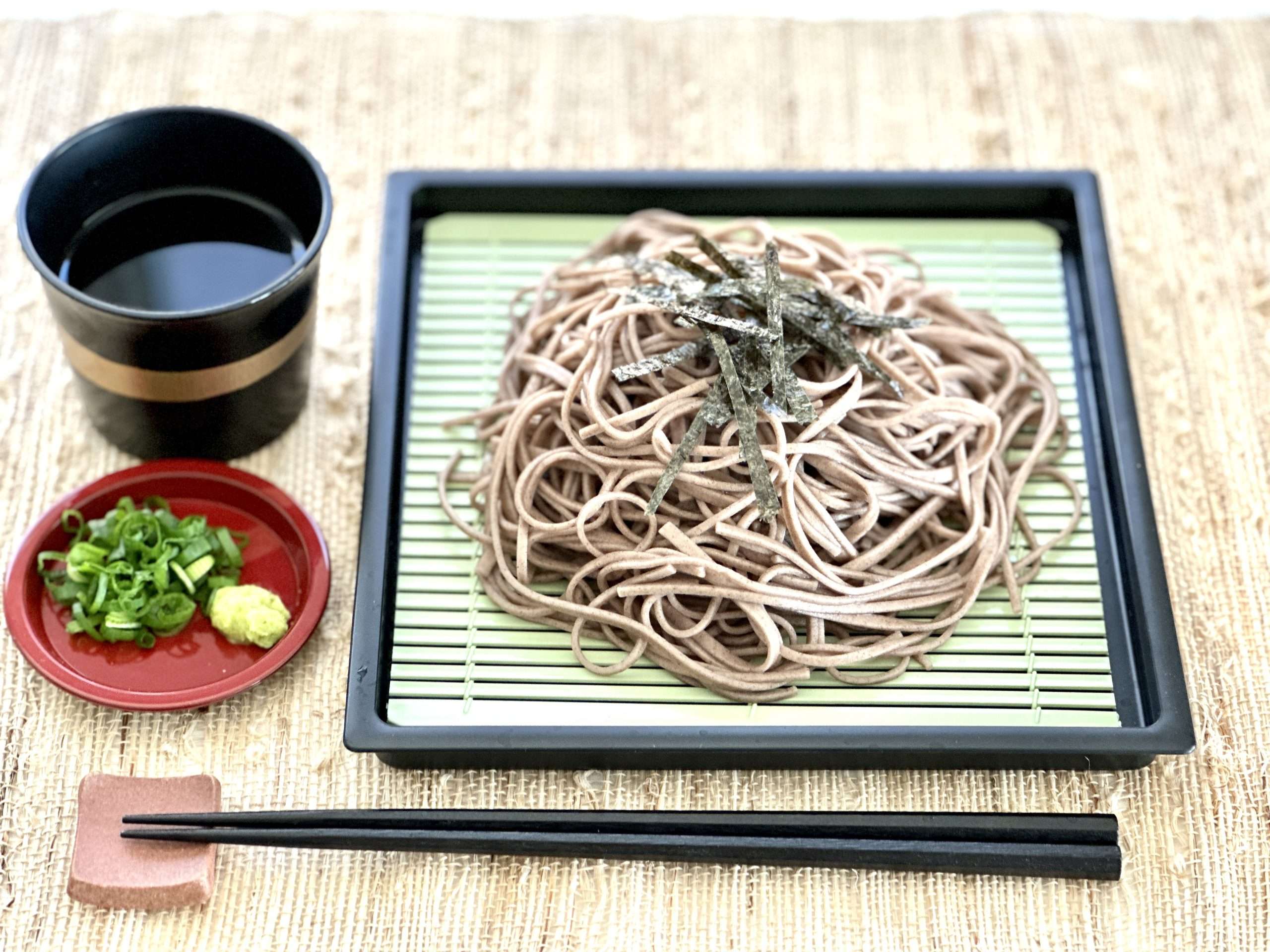
Zaru Soba Recipe
Zaru Soba (ざるそば) is cold buckwheat noodles served with a dipping sauce — a refreshing noodle dish enjoyed throughout Japan’s sweltering summers. Zaru means “colander” or “strainer” in Japanese, and the chilled soba noodles are traditionally served atop a slotted bamboo mat that lets excess water drain away. Light, simple, and satisfying, Zaru Soba is the perfect antidote to Japan’s brutal summer heat and humidity.
What’s Zaru Soba?
Buckwheat has actually been part of Japanese food culture for a very long time — we’re talking thousands of years, with buckwheat pollen turning up in ancient archaeological sites. The noodle form we recognize today — sliced buckwheat noodles — didn’t really appear until the late 1500s, and it wasn’t until the Edo period (1603–1868) that Soba culture exploded, centered in the bustling city of Edo, which we now call Tokyo.
Soba is a popular Japanese food here in the US and beyond, and dried soba noodles can now be found at most local supermarkets. One reason for its popularity is that Soba is often healthier than noodles made from refined flour — it tends to have fewer calories and more nutrients, including B vitamins, minerals, and fiber. Buckwheat, Soba’s main ingredient, has also ridden the wave of gluten-free interest in recent years (though it’s worth noting that most Soba noodles are actually a blend of buckwheat and wheat flour). Zaru Soba is one of the Soba dishes that looks almost too simple to be exciting — cold buckwheat noodles, a sprinkle of shredded roasted Nori seaweed, a savory dipping sauce — and yet it’s beloved precisely because of that simplicity. There’s nowhere for bad noodles to hide, and nothing to distract you from the nutty, earthy flavor of good buckwheat.
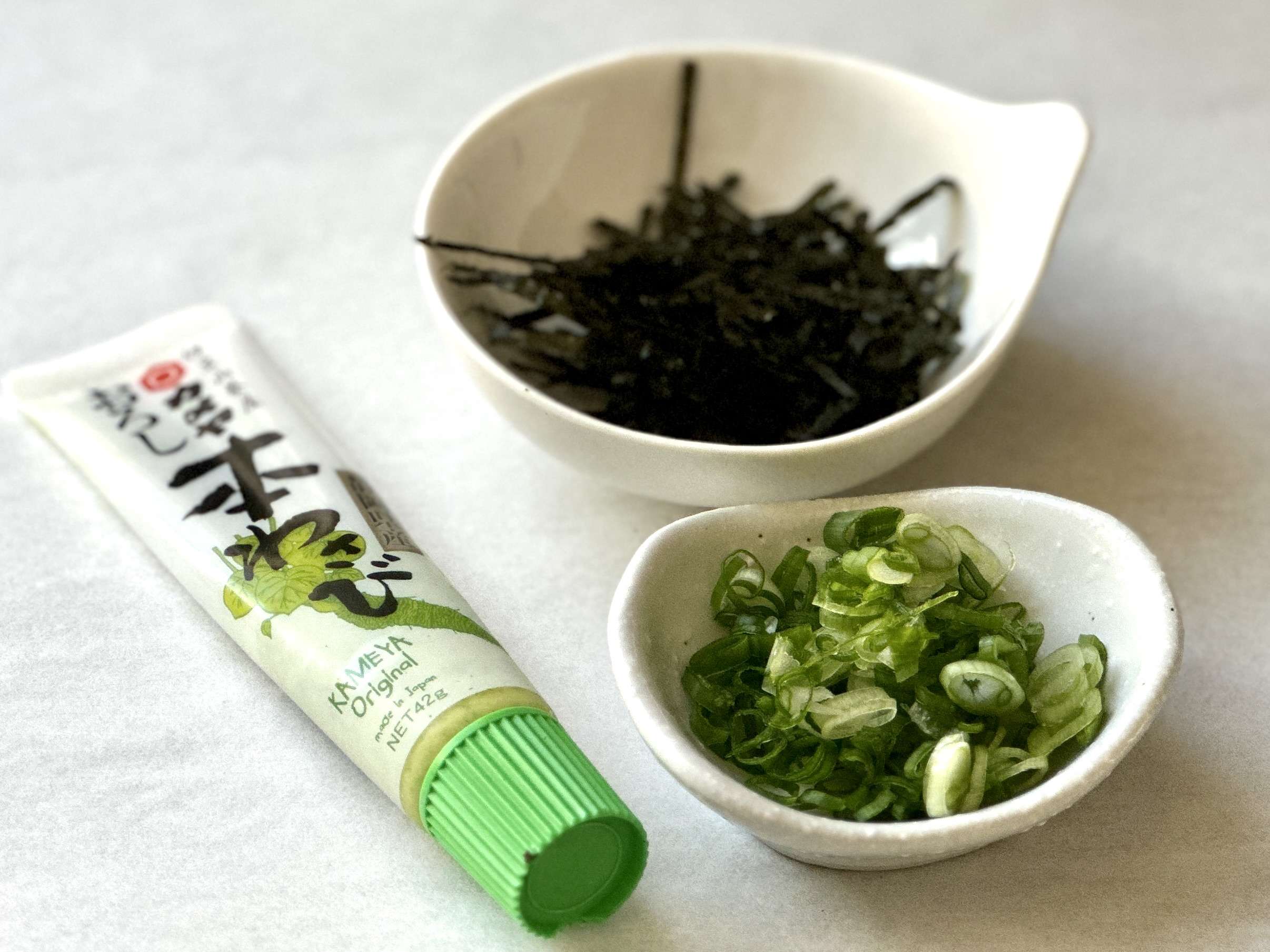
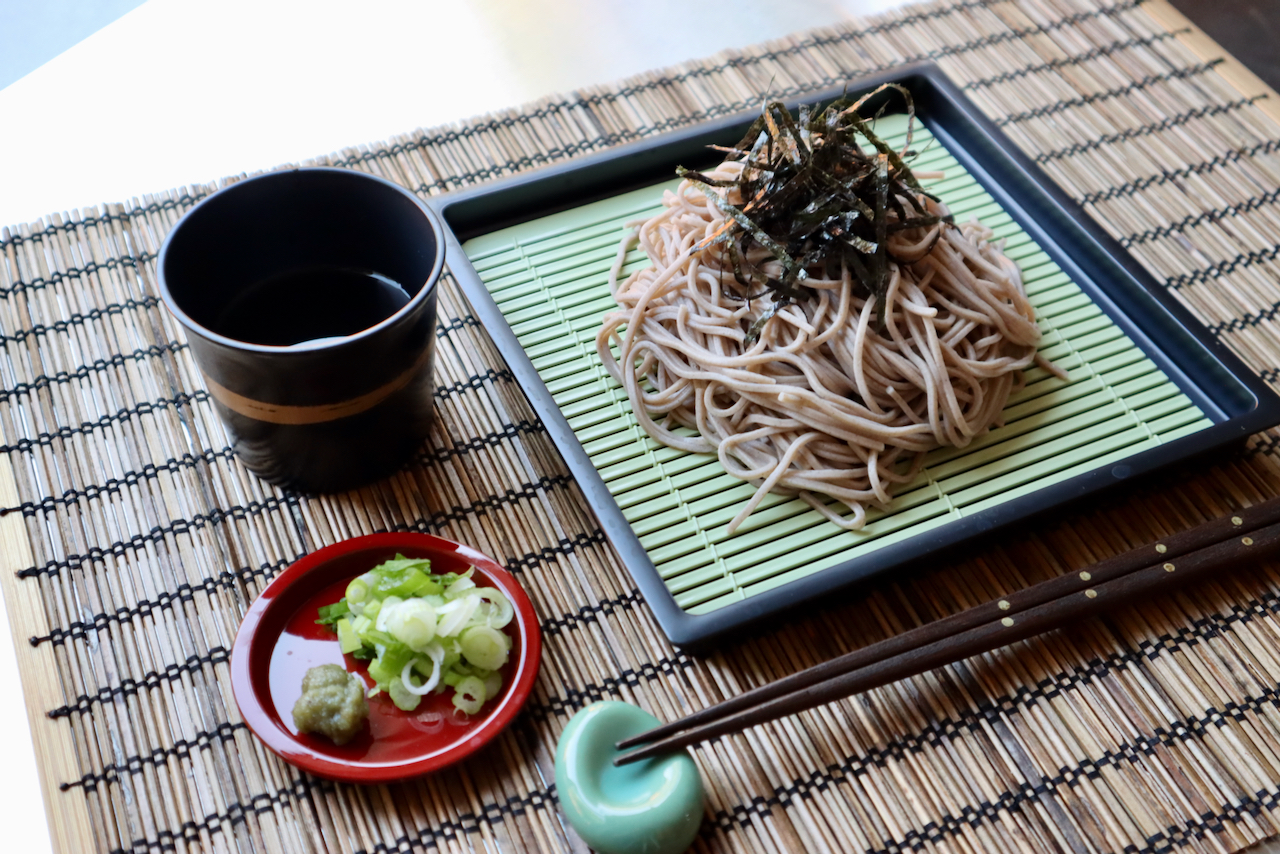
Part of the charm of Zaru Soba is the little ritual that comes with it, and once you know it, eating the dish feels a lot more satisfying. The noodles are boiled, then immediately rinsed in cold water and drained well before being piled onto the bamboo Zaru tray — the open weave lets any extra water drip away so the noodles stay firm instead of turning mushy. Alongside the tray, you’ll get a small cup of Mentsuyu, a dipping sauce made from soy sauce, mirin, and dashi, plus little piles of wasabi and sliced scallion to mix in as you like.
Here’s the fun part: you’re not supposed to dip your noodles like you’re drowning fries in ketchup. The proper approach is to first taste a few noodles completely plain, so you can actually appreciate the buckwheat’s aroma. Then, when you’re ready for the sauce, pick up a small bundle of noodles with your chopsticks and dip only the bottom third or so into the Mentsuyu before slurping it up. And yes — slurp away. It’s not considered rude in Japan; if anything, it’s expected, since drawing air in with the noodles helps release more of their aroma.
One more thing worth trying if you ever find yourself at a Soba shop: after you’ve finished your noodles, ask for Soba-yu, the warm, slightly cloudy water the noodles were cooked in. Pour it into whatever Mentsuyu is left in your cup, and you’ve got yourself a light, savory little soup to sip at the end of the meal. It’s a small gesture, but it makes sure nothing about the meal goes to waste, and it’s a lovely way to close things out.
Zaru Soba is often thought of as a summer dish, since the chill of the noodles feels so refreshing when it’s hot out, but honestly, good Soba shops serve it year-round — and once you’ve had a properly made bowl, it’s easy to see why people keep coming back to something so simple.
Tips and substitutions for Zaru Soba
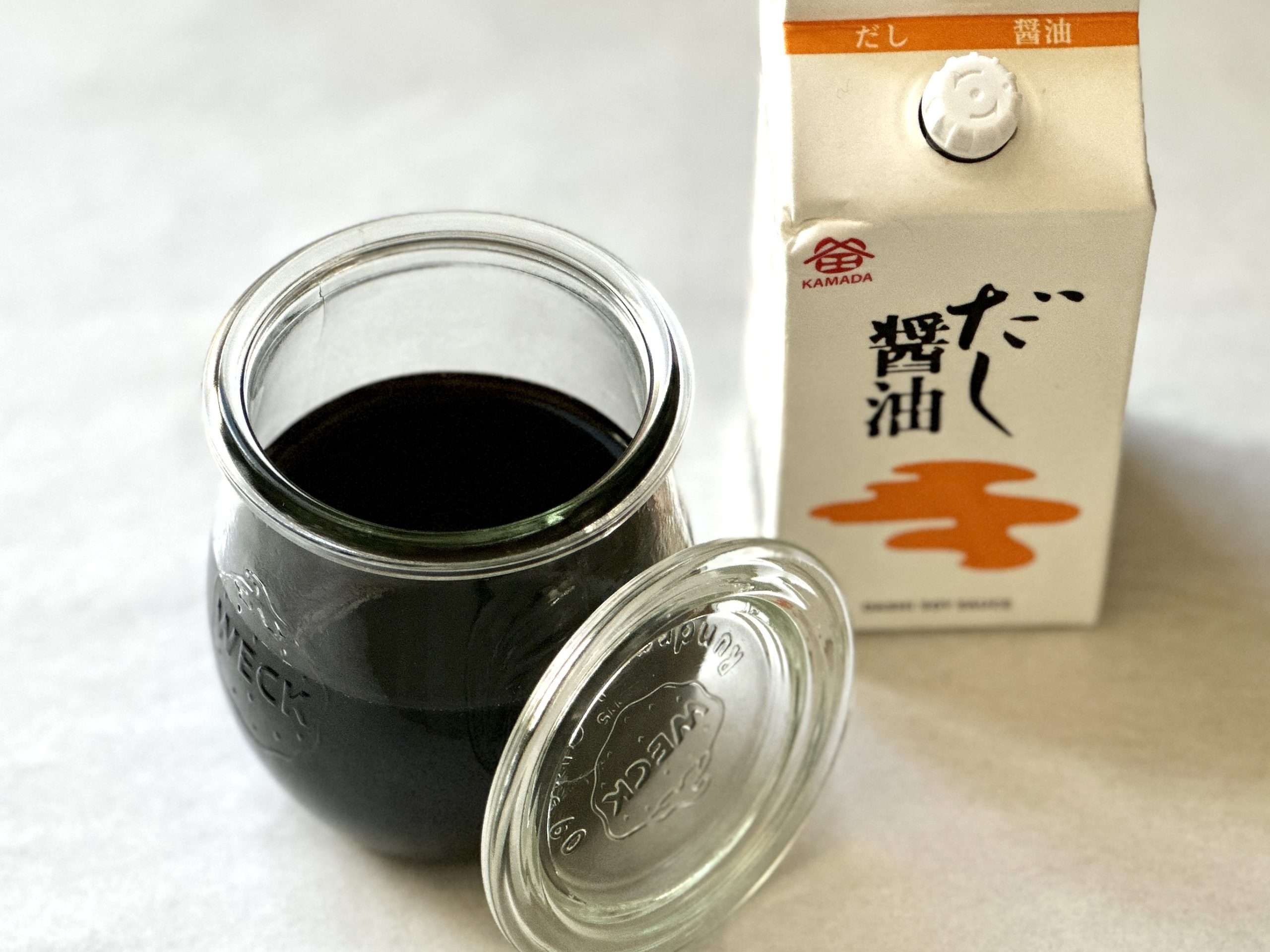
- Mentsuyu dipping sauce can easily be made at home following our recipe, but it’s just as easy to find a store-bought bottle at Japanese supermarkets, and even some local grocery stores. It typically comes in a concentrated version, which you dilute with water before using, or a “straight” version that’s ready to pour right out of the bottle — use whichever is more convenient for you.
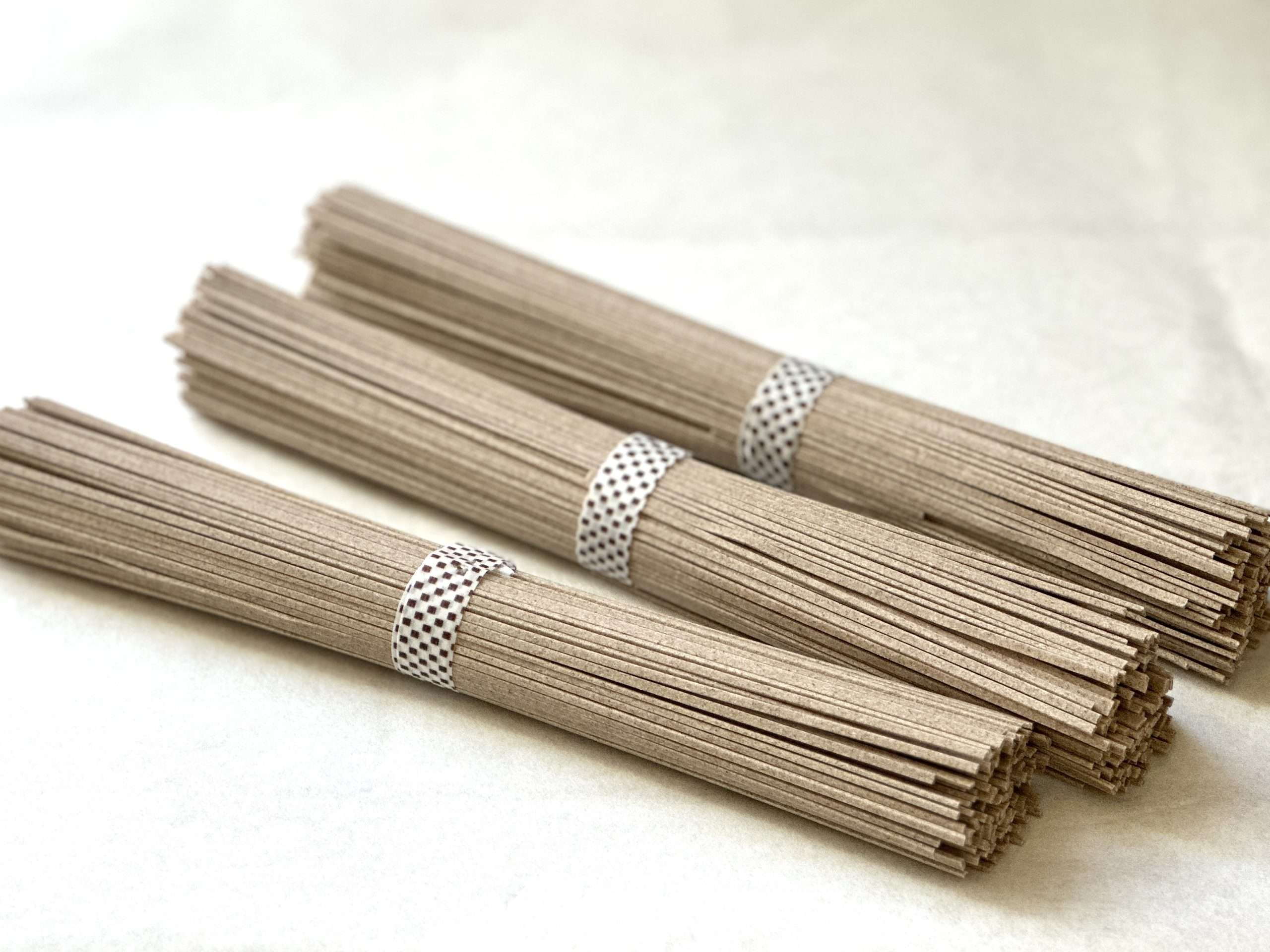
- It’s hard to find fresh Soba noodles outside Japan, but there are many kinds of dried Soba noodles available at Japanese and local supermarkets. For most of them, the ingredients are part buckwheat flour mixed with wheat flour, and sometimes yam. If you’re looking for 100% buckwheat noodles, look for the label “Juwari Soba” — if it doesn’t say that, it’s a mixed flour. Although 100% Soba is healthier, the texture may be a little crumbly since it doesn’t contain any gluten. If you prioritize a smooth texture, choose something closer to the 60–80% buckwheat range instead.
More recipes like Zaru Soba
Video
Ingredients
- 7 oz dried Soba noodles
- shredded Roasted Seaweed (Nori)
- 1 green onion (sliced thinly)
- wasabi
Dipping Sauce
- 3 Tbsp Soy Sauce
- 3 Tbsp Sake
- 3 Tbsp Mirin
- 1/2 cup Katsuobushi (dried bonito flakes)
- 2/3 cup water (cold)
If using Mentsuyu instead of Dipping Sauce
- 1/2 cup Mentsuyu
- 2/3 cup water (cold)
Instructions
- Make dipping sauce. In a pot, combine Soy Sauce, Sake, and Mirin and cook at medium heat. Add Katsuobushi dried bonito flakes. Let boil for a minute, remove from heat, and cool in the pot. Strain Katsuobushi. Mix the sauce with water. If you are using Mentsuyu instead of Dipping Sauce, simply mix Mentsuyu and water. Set aside.
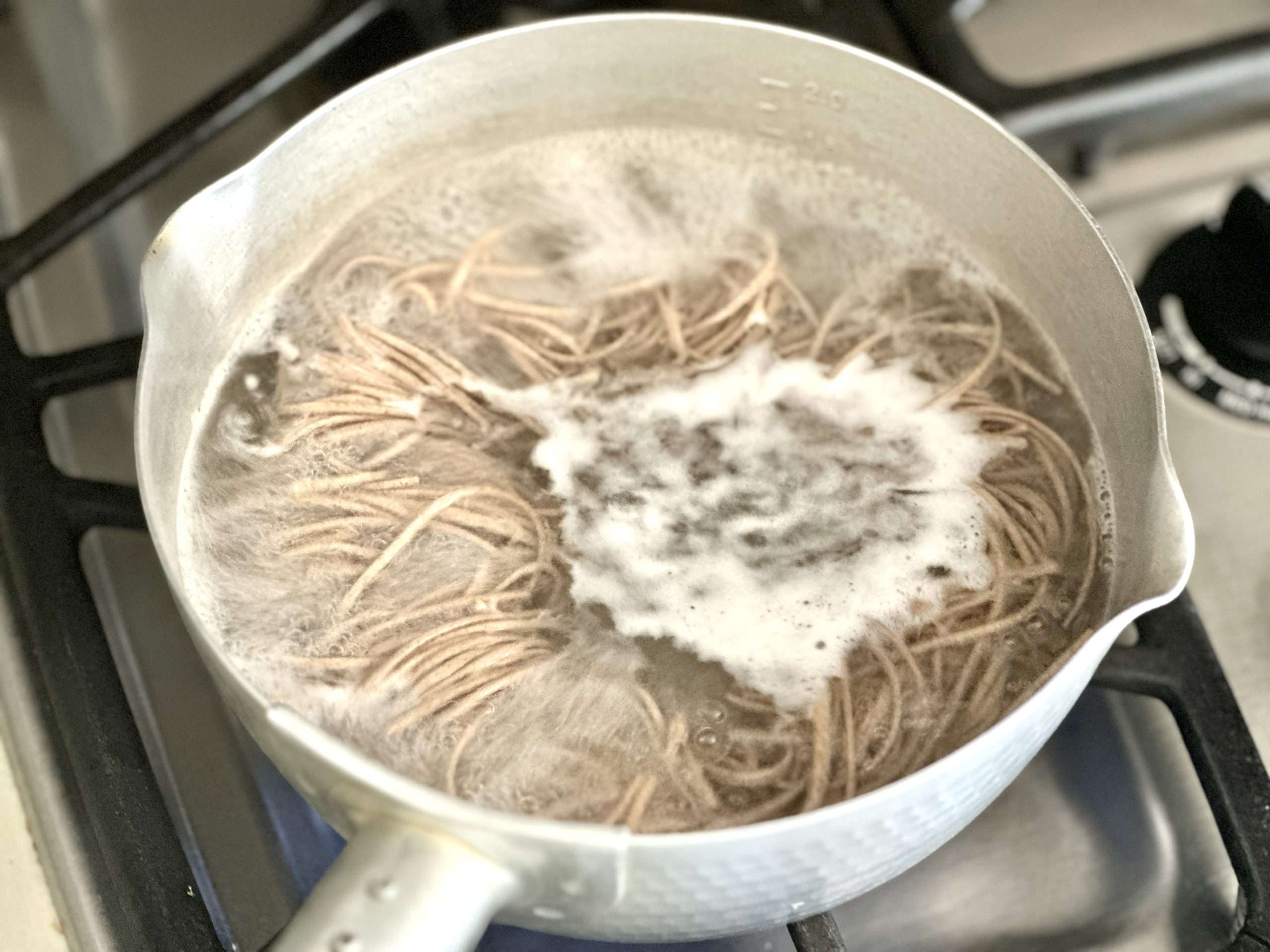
- In rolling boiling water in a big pot, add dried Soba noodles and stir. After coming back to a boil, cook for 3-4 minutes (follow the instructions on the package). Strain (and keep the water as Sobayu later if you like) and cool Soba under running water a bit. Chill in ice water for a couple of minutes. Then strain again.
- Place Soba on plates and top with shredded Roasted Seaweed. Serve with Dipping sauce, sliced green onions, and wasabi.
Notes



Thank you for your amazing Recipies, i tell you some thats sounds like, my own teacher, i am a profesional Japanese Chef, in diferents kinds of food, and you are realy my best help, thank you again, and God bless you.
Hector,
you’re welcome!
You can make fresh soba noodles from scratch too. Look it up 🙂
Adam,
thanks for your suggestion!
Only 100% buckwheat soba is gluten free. Most soba you find has wheat added.