

Yakisoba Recipe
Yakisoba (焼きそば) is a Japanese stir-fried noodle dish seasoned with a savory Worcestershire like yakisoba sauce, very similar to Tonkatsu or Okonomiyaki sauce. Yakisoba is usually stir-fried together with sliced pork and vegetables such as cabbage and bean sprouts. It is a very popular casual food — and snack — that everyone loves in Japan. You can find Yakisoba in many places, from Okonomiyaki restaurants and festivals to supermarket delis and, of course, home kitchens.
What’s Yakisoba?
Yakisoba traces its roots to Chinese chao mian (stir-fried noodles), which made its way to Japan over a hundred years ago. However, it was the postwar era that truly shaped the dish into what it is today. During the food shortages following World War II, Yakisoba became a cheap and filling staple for ordinary people. The widespread availability of Worcestershire sauce, partly influenced by the Allied occupation, gave birth to the distinctly Japanese “sauce Yakisoba” — a version that has very little in common with its Chinese ancestor beyond the noodles themselves.
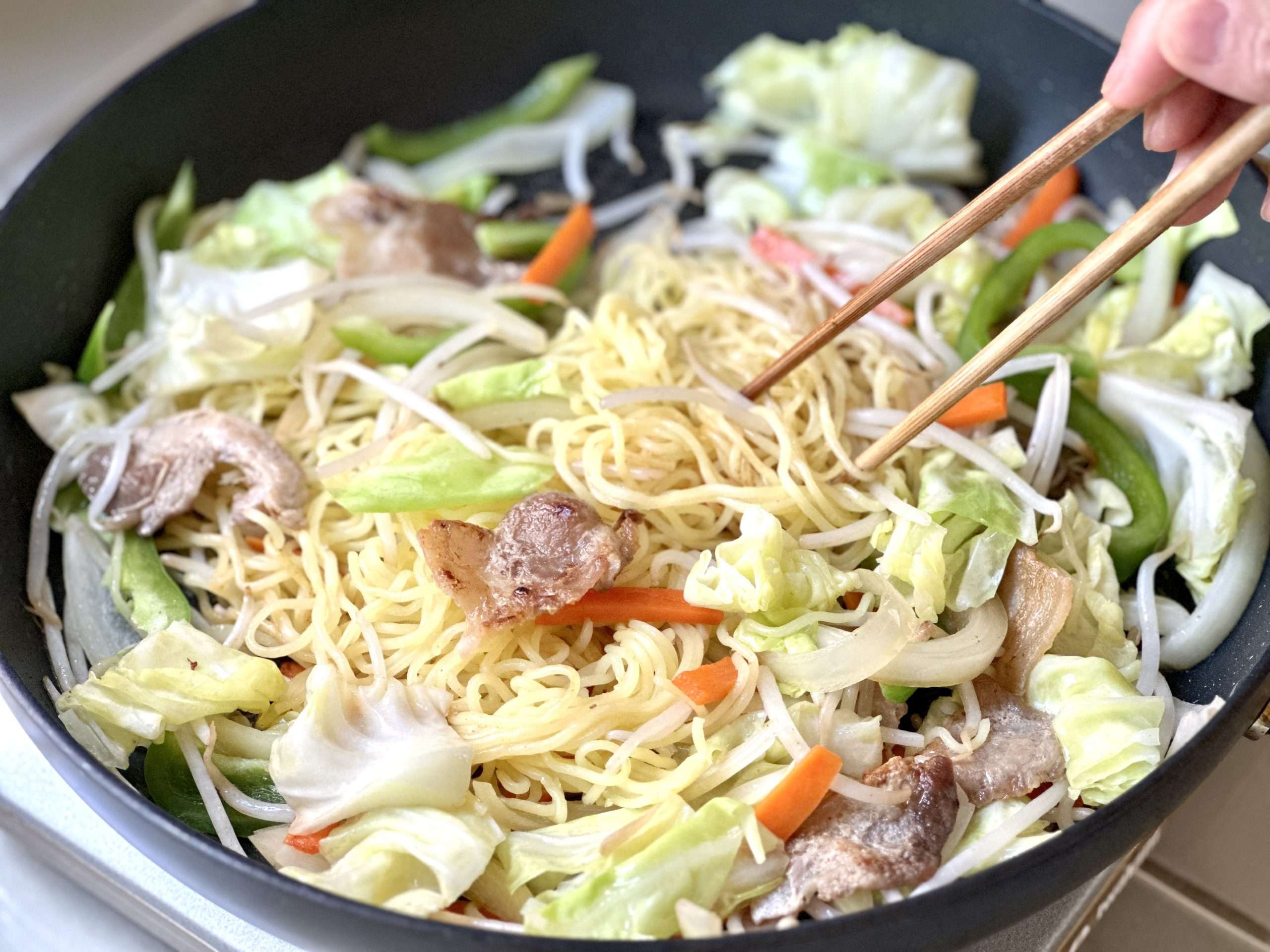
Yakisoba is about as Japanese as it gets. It is inseparable from the summer festival experience — the sizzle of noodles on a large iron griddle, the sweet and savory smell drifting through the crowd, the paper container eaten standing up. School festivals, neighborhood fairs, and street stalls have all cemented Yakisoba as a symbol of communal, celebratory eating. And it proudly occupies the realm of B-Kyū gurume — “B-grade gourmet” — a Japanese concept that celebrates unpretentious, affordable, deeply satisfying food over fine dining. Far from being looked down upon, this status is worn as a badge of honor.
Japan also has a rich tradition of regional yakisoba varieties, each reflecting local identity. Fujinomiya in Shizuoka prefecture is famous for its chewy steamed noodles served with crispy pork lard and fish powder. Yokote in Akita is known for its sweeter sauce and a fried egg placed on top. These regional styles have sparked fierce local pride and even national competitions.
Ingredients and seasonings for Yakisoba
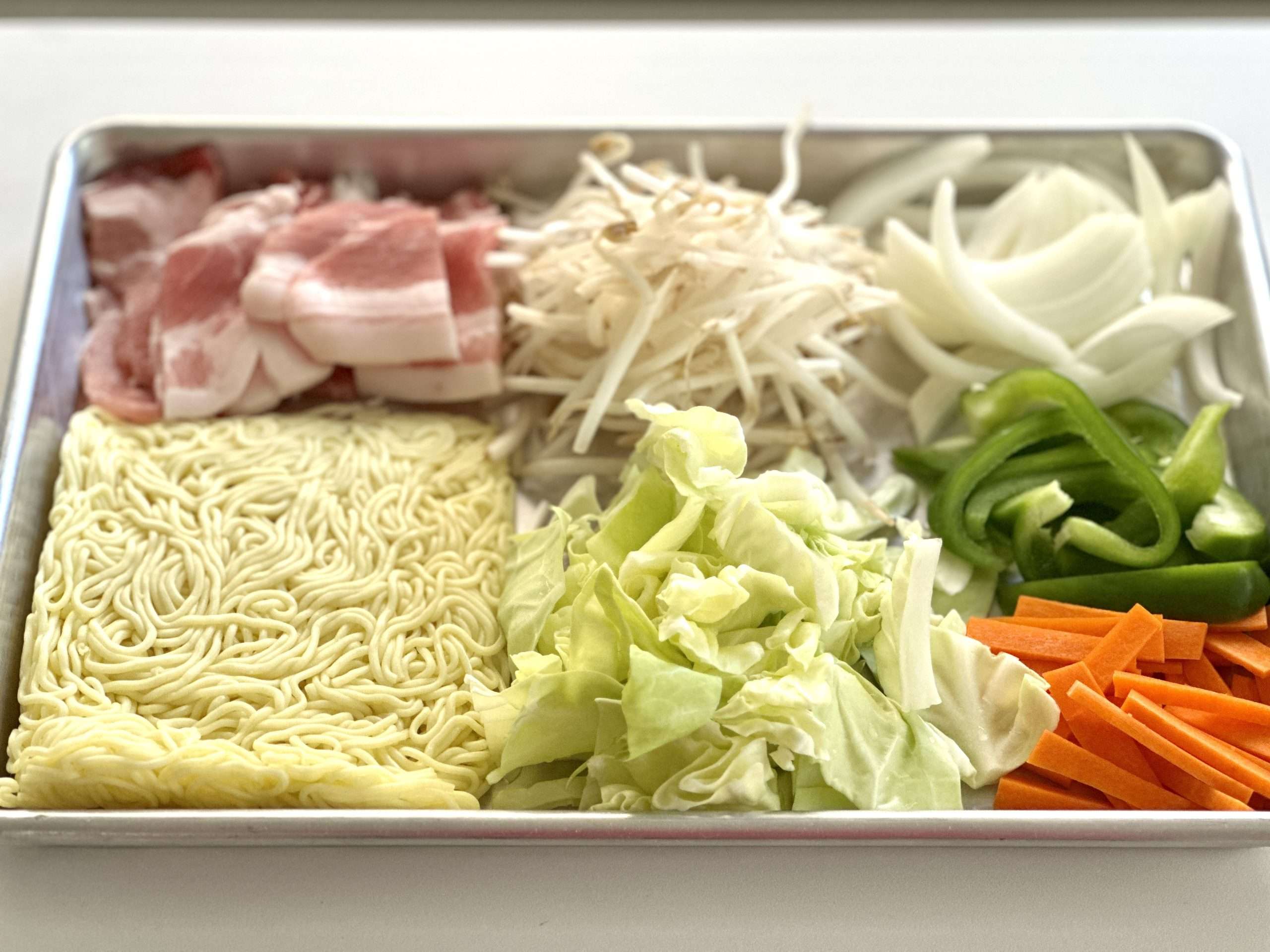
The noodles for Yakisoba are made from wheat flour with the addition of an alkaline solution that gives them their characteristic yellow tint and springy, chewy texture. They are typically sold pre-steamed, which allows them to fry quickly without breaking apart. The standard combination of vegetables and protein is simple but carefully balanced: thinly sliced pork belly, cabbage, bean sprouts, carrots, and green onions. Each ingredient contributes a different texture — tender meat, soft cabbage, crisp sprouts — making every bite varied and satisfying.
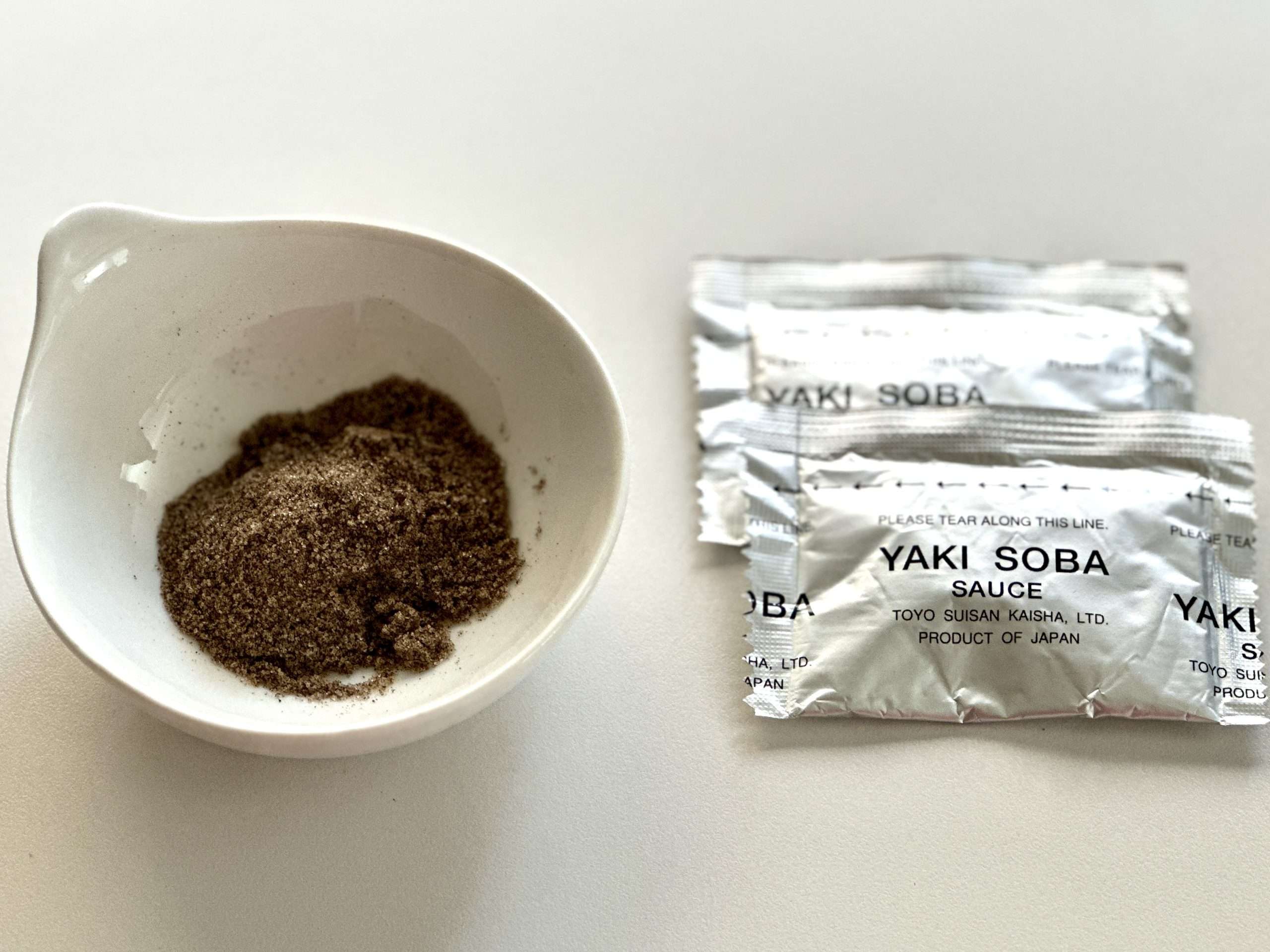
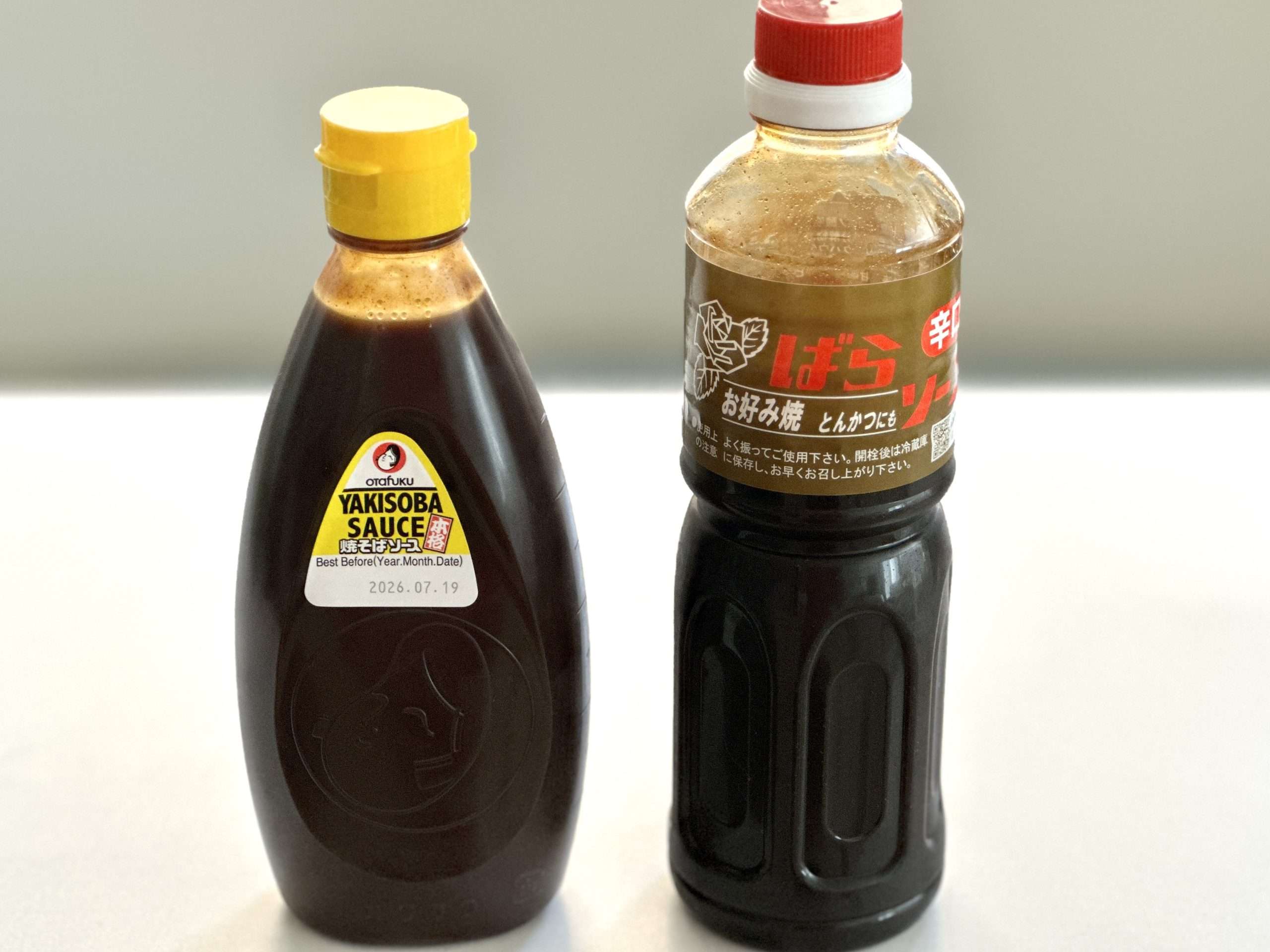
The seasoning is where Yakisoba becomes distinctly Japanese. Rather than relying on a single sauce, most cooks blend a few components together. Worcestershire sauce brings sharpness and acidity, while a thicker, sweeter Tonkatsu sauce adds body and depth. A small splash of soy sauce rounds everything out with a savory finish. That said, if your Yakisoba noodles came with a seasoning powder packet, feel free to use that instead — it’s perfectly legit and gets the job done just as well.
No plate of Yakisoba is truly complete without the finishing touches. Dried green seaweed (Aonori), pickled red ginger (Benishōga), and bonito flakes (Katsuobushi) are the classic garnishes — together they bring color, fragrance, and a deep hit of umami that takes the dish to another level. Some people also like to finish it with a thin drizzle of Japanese mayo for a little extra richness and creaminess, and honestly, it’s hard to argue with that.
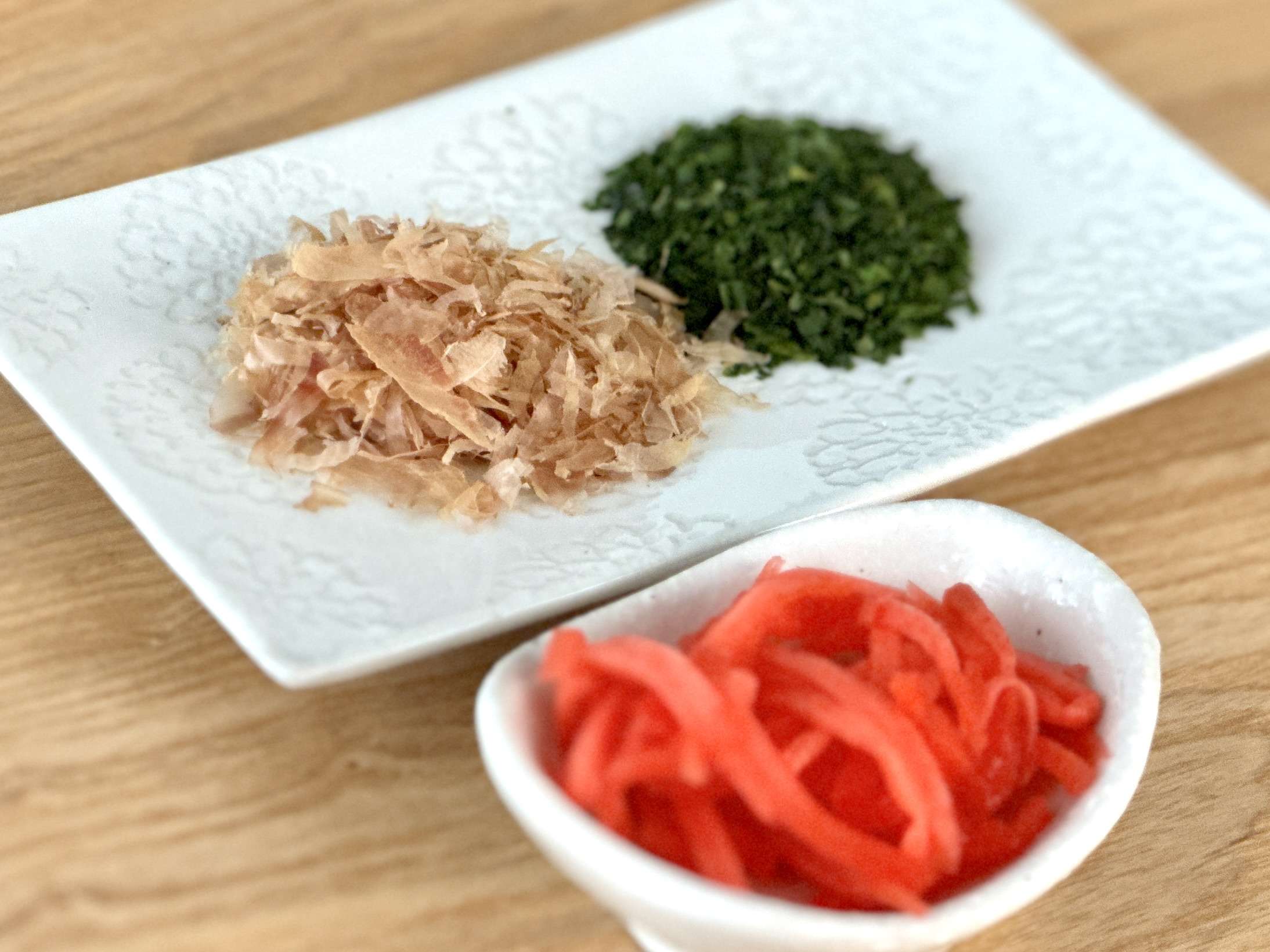
At the end of the day, Yakisoba is proof that you don’t need much to make something truly delicious — just good ingredients, a hot pan, and a little know-how.
Tips and substitutions for Yakisoba
- Yakisoba noodles (also called Chuka Men) are usually sold in the refrigerated section of Asian grocery stores in packs of 2–3 servings, often with powdered seasoning packets included. You can also find dried versions that need to be boiled before stir-frying.
- If you can’t find either, there’s a surprisingly effective workaround: boil dried spaghetti in 2 liters of water with 2 tablespoons of baking soda, following the package’s cooking time. The baking soda raises the alkalinity of the water, giving the pasta a chewier texture and a slight yellow tint that closely mimics Chuka Men. Skip fresh pasta here — it tends to go too soft during stir-frying. It’s not a perfect substitute, but it works better than you’d expect.
- For the sauce, you have a few options. Some noodle packs come with their own seasoning, and bottled Yakisoba sauce is available at Japanese supermarkets. We also have our own homemade version if you’d like to give it a try. There’s no wrong choice — go with whatever is most convenient.
- When it comes to the pan, use a well-seasoned wok or a good nonstick skillet. Yakisoba noodles have a tendency to stick, so the right surface makes a real difference.
- As for the meat and vegetables, feel free to improvise. Pork is traditional, but chicken, beef, shrimp, or a fully vegetable version all work beautifully. Use what you have and make it your own.
More recipes like Yakisoba
Video
Equipment
- 1 wok or frying pan
Ingredients
Yakisoba Sauce
- 3 Tbsp Tonkatsu sauce
- 2 Tbsp Worcester sauce
- 1/2 Tbsp soy sauce
- 1/2 Tbsp Mirin
Instructions
- Cut sliced pork into bite size pieces. Prepare the vegetables: slice onion, carrot, and bell pepper thinly; cut cabbage into 2″squares; wash and strain bean sprouts. Mix all the ingredients for Yakisoba Sauce.
- In a large frying pan, add oil and heat at medium high heat. Cook meat first until browned. Add onion, carrot, and bell pepper and cook about 1-2 minutes. Then add cabbage and bean sprouts, and cook until vegetables are wilted. Once water seeps out from vegetables, add Chuka Men, stir under the vegetables, lower heat and cover, and cook about 2 minutes until noodles soften.
- When noodles get loose and soft, keep stirring to mix with vegetables, then add sauce and coat the whole thing for a couple of minutes. (Season with salt and pepper to taste.)
- Place Yakisoba on the plate; sprinkle with Aonori and put Benishoga on top.



Hello I love you videos and your recipes, I was just wondering do you two know what type of noodles panda express uses?
Thank you for your time and please keep the videos coming!
Lisa Scott
Lisa,
I have no idea…sorry!
Panda uses a type of Chinese egg noodles. You can find it the any Chinese grocery store. Ask for “Lomein” Noodles
Made this recipe and the whole family loved it! And usually they don’t really like Asian cuisine! I also added Mayonnaise on top, as I had had it at a Japanese pub in Montreal.
Thanks for the recipe ! This is one of my favorites 🙂
Emily,
glad you and your family liked our Yakisoba recipe! Come back for more family-friendly recipes!
Made this last night and it was delicious! What kind of pork did you use for your dish?
I made this recipe a few weeks ago and loved it, and today I returned to the page to re-make this dish. Unfortunately, I can no longer see the list of ingredients and directions! What happened?