
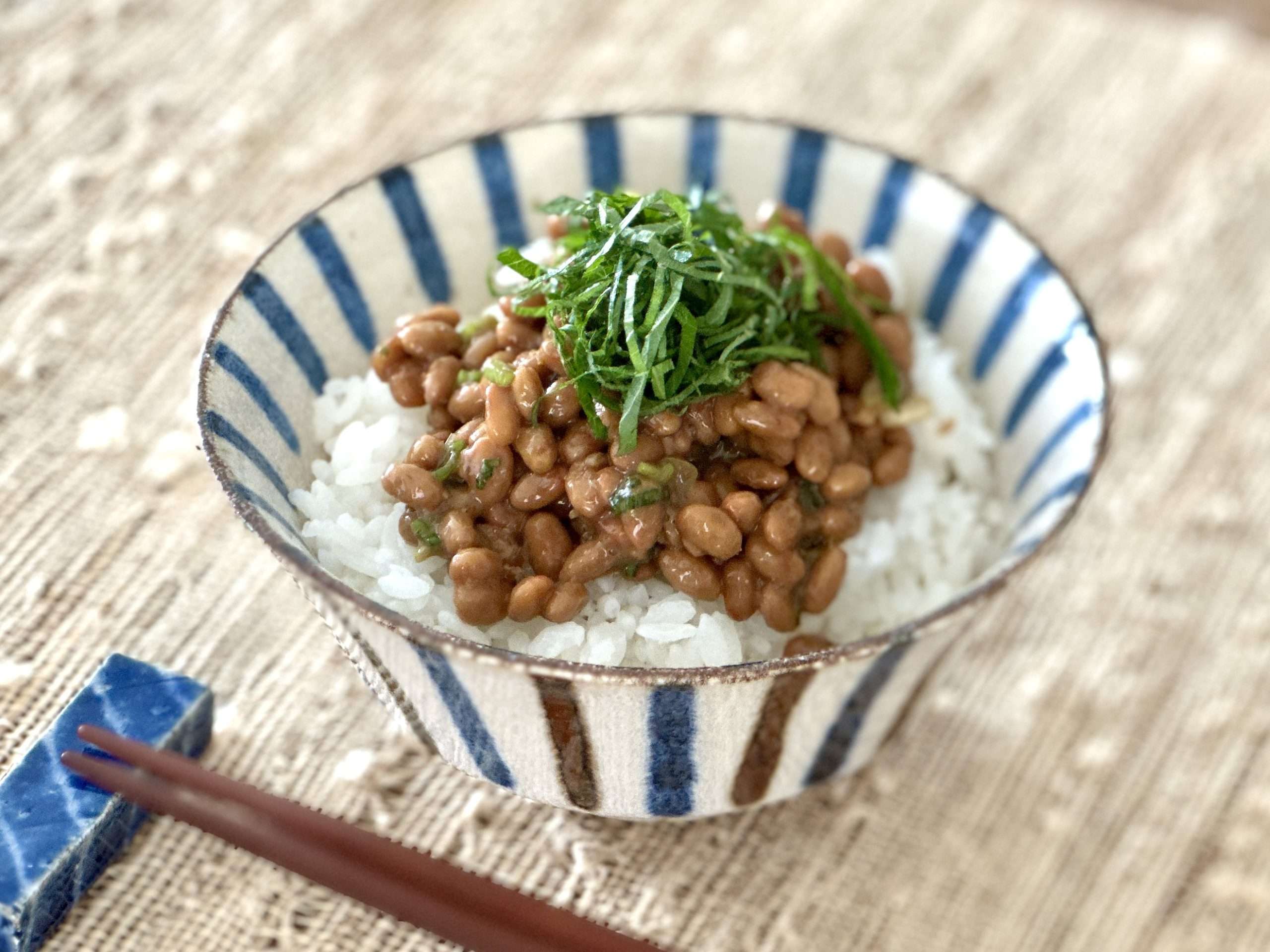
Natto Recipe
Natto, fermented soybeans, is a staple of the Japanese breakfast table. It’s typically seasoned with soy sauce and other flavorful condiments, creating a simple yet umami-rich dish. Known for its sticky, stringy texture and strong aroma, Natto can be a bit of an acquired taste—but it’s incredibly nutritious and has been loved by many in Japan for generations.
What’s Natto?
Natto has a long history dating back over a thousand years in Japan. It is said to have been discovered by accident when cooked soybeans were wrapped in rice straw for storage and naturally fermented over time. By a few hundred years ago, it had become a staple of the common people’s breakfast, with street vendors known as “natto sellers” walking through neighborhoods early each morning to sell it. However, its popularity was largely confined to eastern Japan, particularly the Kanto and Tohoku regions, while western Japan remained largely unfamiliar with it for a long time. Even today, regional differences in taste preferences persist.
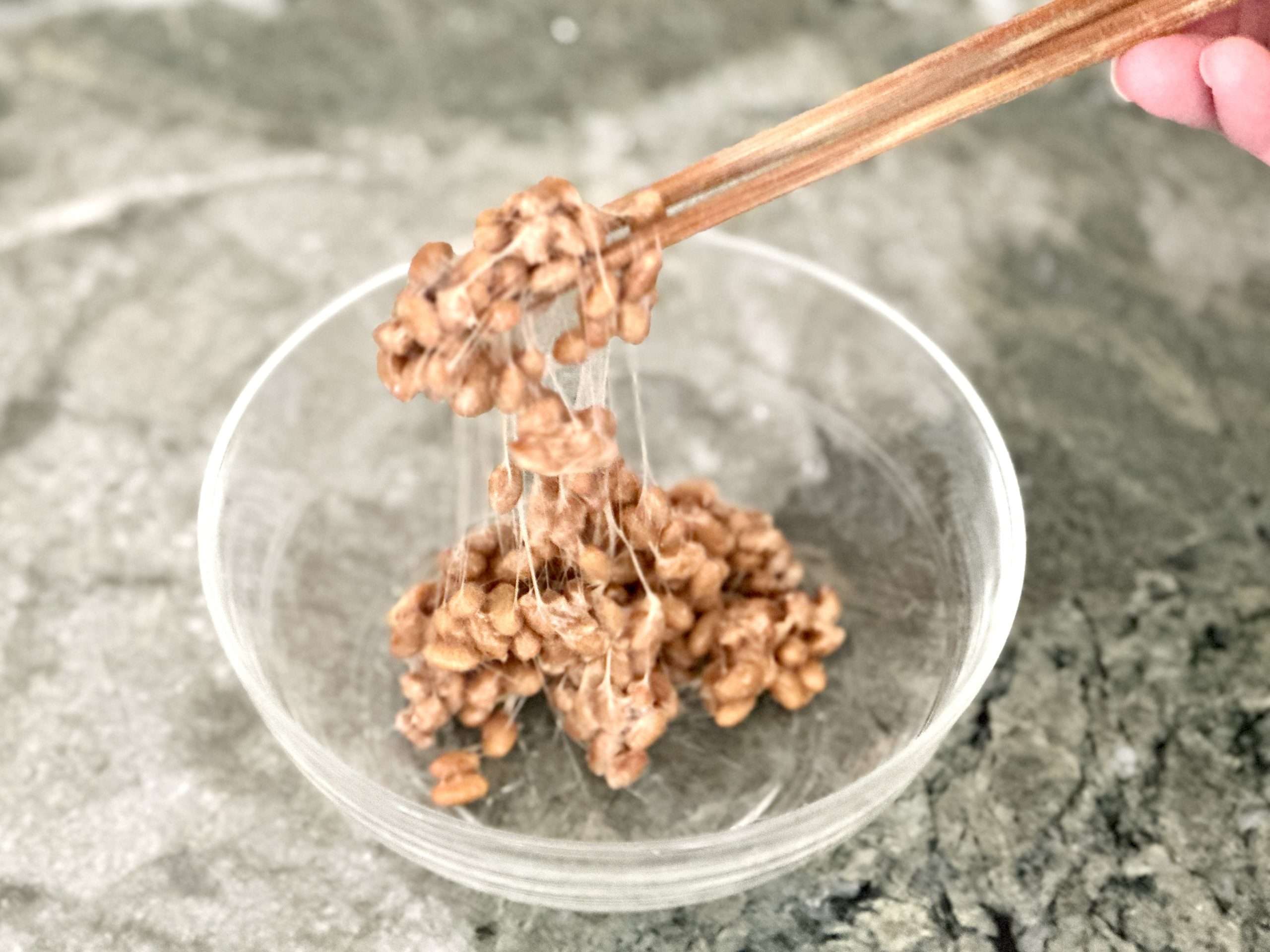
The distinctive stringiness of natto comes from Bacillus subtilis, a bacterium that occurs naturally in rice straw, making it a truly unique fermented food with no real equivalent elsewhere in the world. Beyond its unusual character, natto is also remarkably nutritious, packed with vitamins B and K, protein, fiber, and calcium. It also contains nattokinase, its own unique enzyme believed to help prevent blood clots — a property that attracted worldwide attention when it was discovered in the 1980s. Though humble in appearance, natto carries with it centuries of history, fascinating science, and a nutritional profile that few breakfast foods can match.
Natto is almost always eaten over rice, and it is extremely simple to prepare. You mix it with soy sauce or mentsuyu savory noodle sauce and stir vigorously until the beans are coated in a sticky, stretchy goo, then pour it over a bowl of steamed rice. You can add toppings like chopped green onions or a dab of Japanese mustard, but essentially that is all there is to it. There can hardly be an easier breakfast than this.
That said, to fully appreciate this distinctive delicacy, you do need to get past one significant hurdle: the smell. Some describe it as rotten, though a more accurate comparison might be a pair of well-worn socks. And if the aroma alone is not enough of a challenge, the texture adds another layer of adventure — intensely sticky and slimy in a way that is quite unlike anything else. Natto is, without question, an acquired taste, and it may not be something most people are able to enjoy on their first encounter.
Even many Japanese people in the Kansai region of western Japan remain unaccustomed to it — and some would prefer to keep things that way. At the same time, plenty of people raised in Kansai have come around to natto in adulthood, which suggests that acquiring the taste is far from impossible. And here is some encouraging news for the hesitant: today’s natto makers are hard at work developing milder, more approachable varieties specifically designed for modern consumers — a far cry from the pungent, straw-fermented product of centuries past. The barrier to entry has never been lower.
So why not give it a try? A single bowl might surprise you. And if you can make peace with the smell and the texture, the rewards are well worth it — because the benefits natto offers go far beyond taste alone. With its extraordinary combination of nutrition, simplicity, and centuries of tradition, natto just might turn out to be the best thing you never thought you would eat.
Tips and substitutions for Natto
Natto is not just for breakfast. While a simple bowl over steamed rice is the classic way to enjoy it, natto is surprisingly versatile and lends itself to a variety of dishes. One popular option is natto Hosomaki — thin sushi rolls with natto as the filling — which you will find in just about any sushi restaurant or convenience store in eastern Japan. Natto can also be stirred into Miso Soup for an extra boost of protein and flavor, folded into Okonomiyaki savory pancakes, or even mixed into Curry and Rice for a bold, earthy twist. One word of caution, however: heat tends to amplify natto’s aroma, so be prepared for the smell to become a little more assertive in warm dishes.
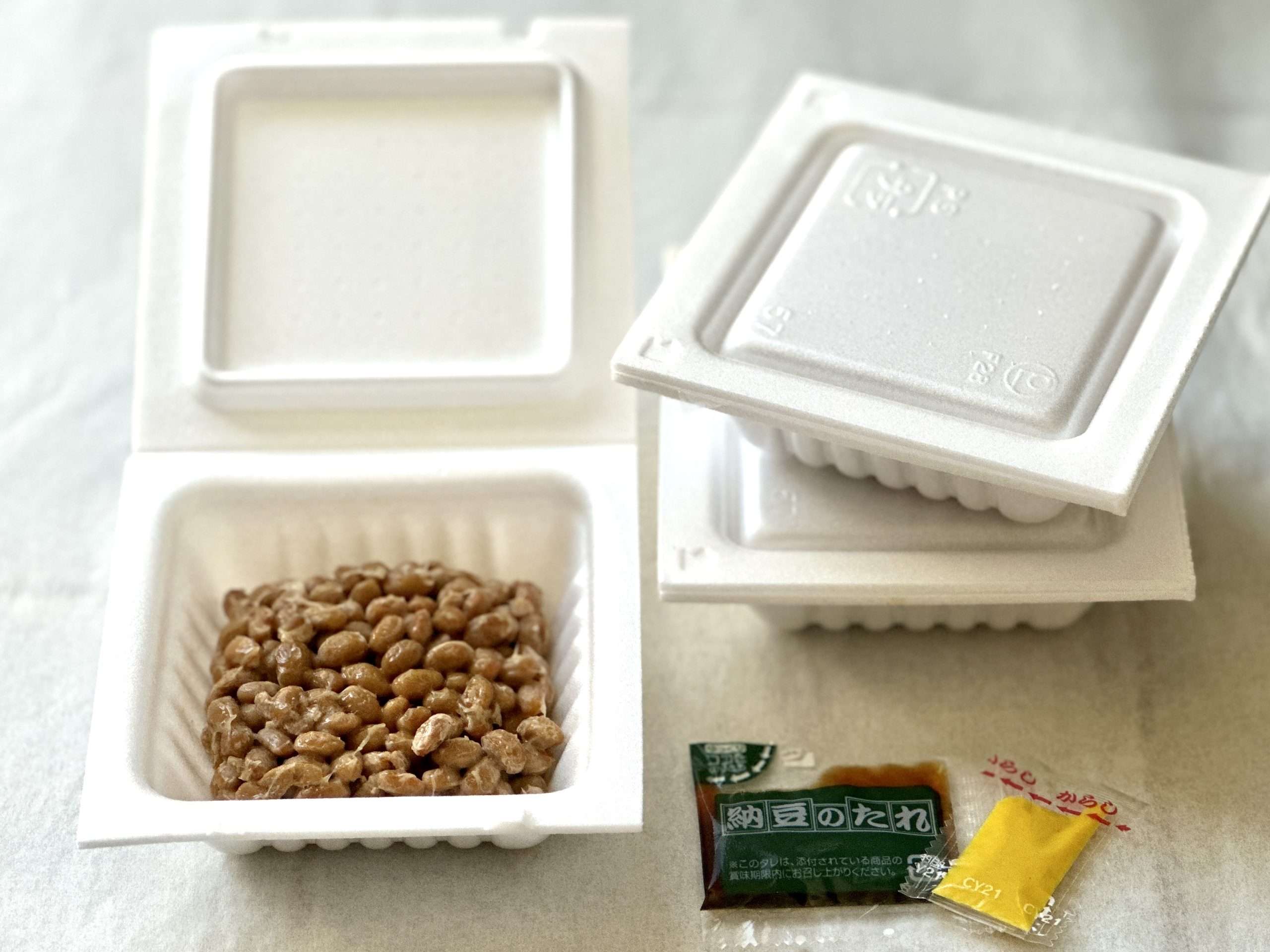
When it comes to seasoning, most store-bought natto packages come with a small packet of tare sauce and mustard, and these are a perfectly fine place to start. But personalizing your natto is half the fun. Chopped fresh green onions are the classic topping, while pickled vegetables add a pleasant tang that balances natto’s richness. For a deeper savory note, a small handful of bonito flakes works beautifully, layering in umami without overpowering the beans. The beauty of natto is that it pairs well with a surprisingly wide range of flavors, so do not be afraid to experiment and discover your own favorite combination.
More recipes like Natto
Video
Ingredients
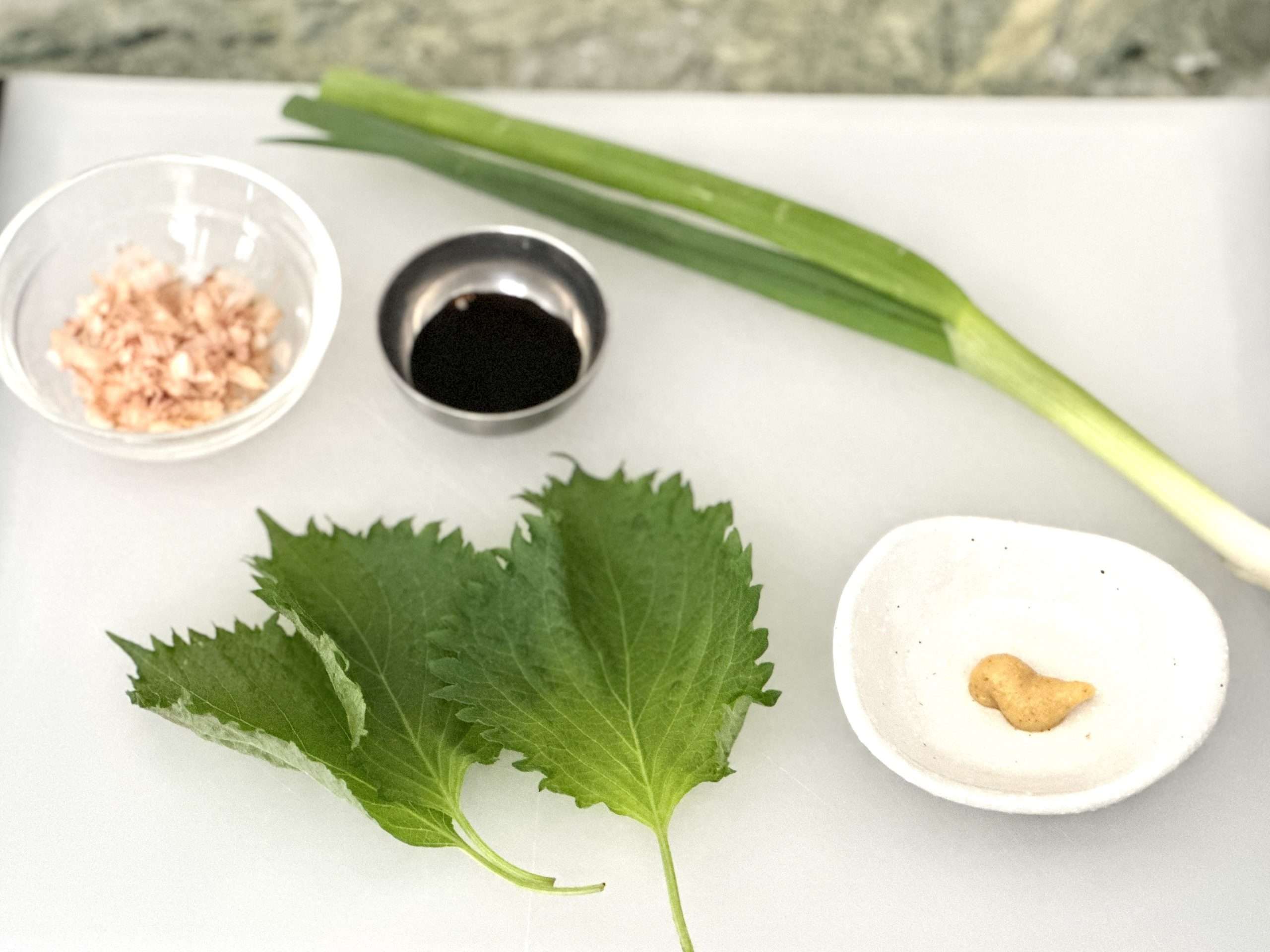
- 1 package Natto
- 1 Tbsp green onions (chopped)
- 1 Tbsp Katsuobushi dried bonito flakes
- Japanese yellow mustard
- 1 tsp soy sauce
- 3 Shiso leaves (thinly sliced, if you have them)
- Steamed Rice
Instructions
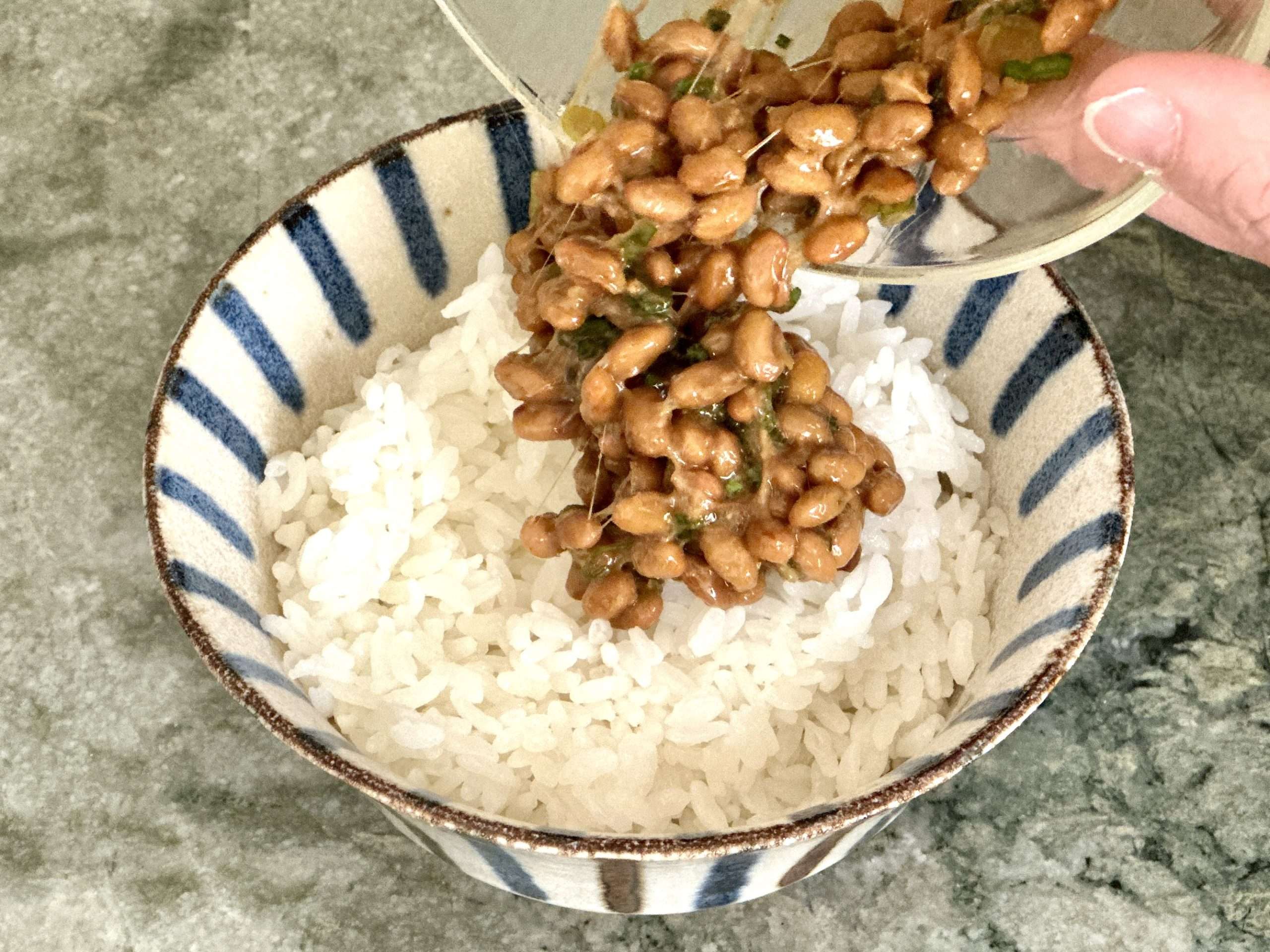
- Mix all the ingredients except Shiso and Steamed Rice. Stir very well until thick. Pour over the rice and top with Shiso.




WOW!! all of these recipes are what i’ve been searching for ever since i left japan! I was an exchange student in kanazawa, ishikawa-ken for a year. I loved it so much, and the food! you can never find it… These are all exactly what my host mom would make. miss it so much, but thank you so much!
Madison,
enjoy Japanese food at home!
I love Natto! I was a little scared to try it at first, but once I did, I was hooked! Thank you for all your great recipes! They are easy to follow, and taste delicious!