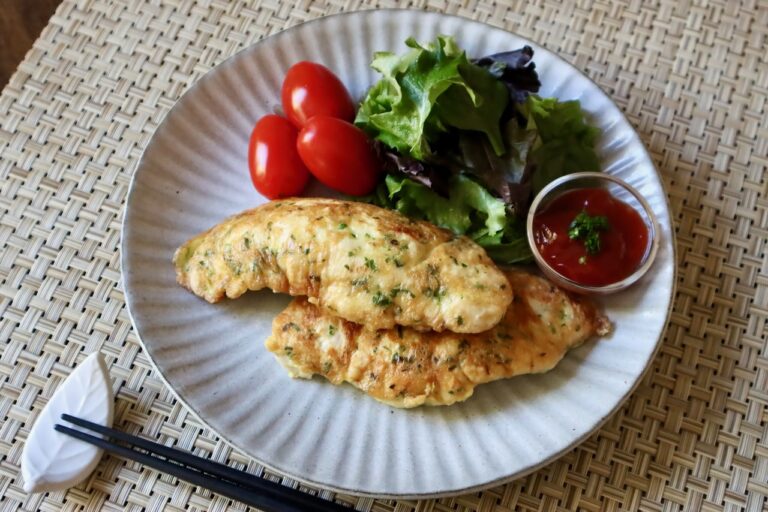
Shio Koji Chicken Recipe
Shio Koji Chicken is a pan-fried dish where the chicken is marinated in Shio Koji (salt Koji), a traditional Japanese fermented rice seasoning. The fermented mixture works almost like magic on chicken breast — breaking down the proteins to leave the meat remarkably tender and juicy, while layering in a beautiful combination of saltiness and a gentle natural sweetness that comes from the rice as it ferments. If you’d like to make your own, be sure to check out our Shio Koji recipe first. Once you have it ready, this chicken dish comes together effortlessly — making it a perfect go-to for busy weeknights.
What’s Shio Koji Chicken?
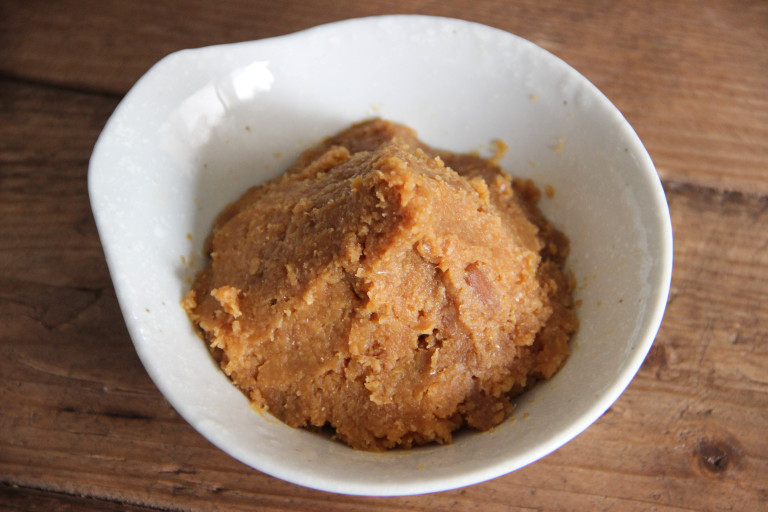
Shio Koji (salt Koji) is one of Japan’s oldest and most versatile fermented condiments, made from just three ingredients: rice Koji, salt, and water. Despite its simplicity, it produces a remarkably complex flavor that has made it a staple of Japanese home cooking for centuries.
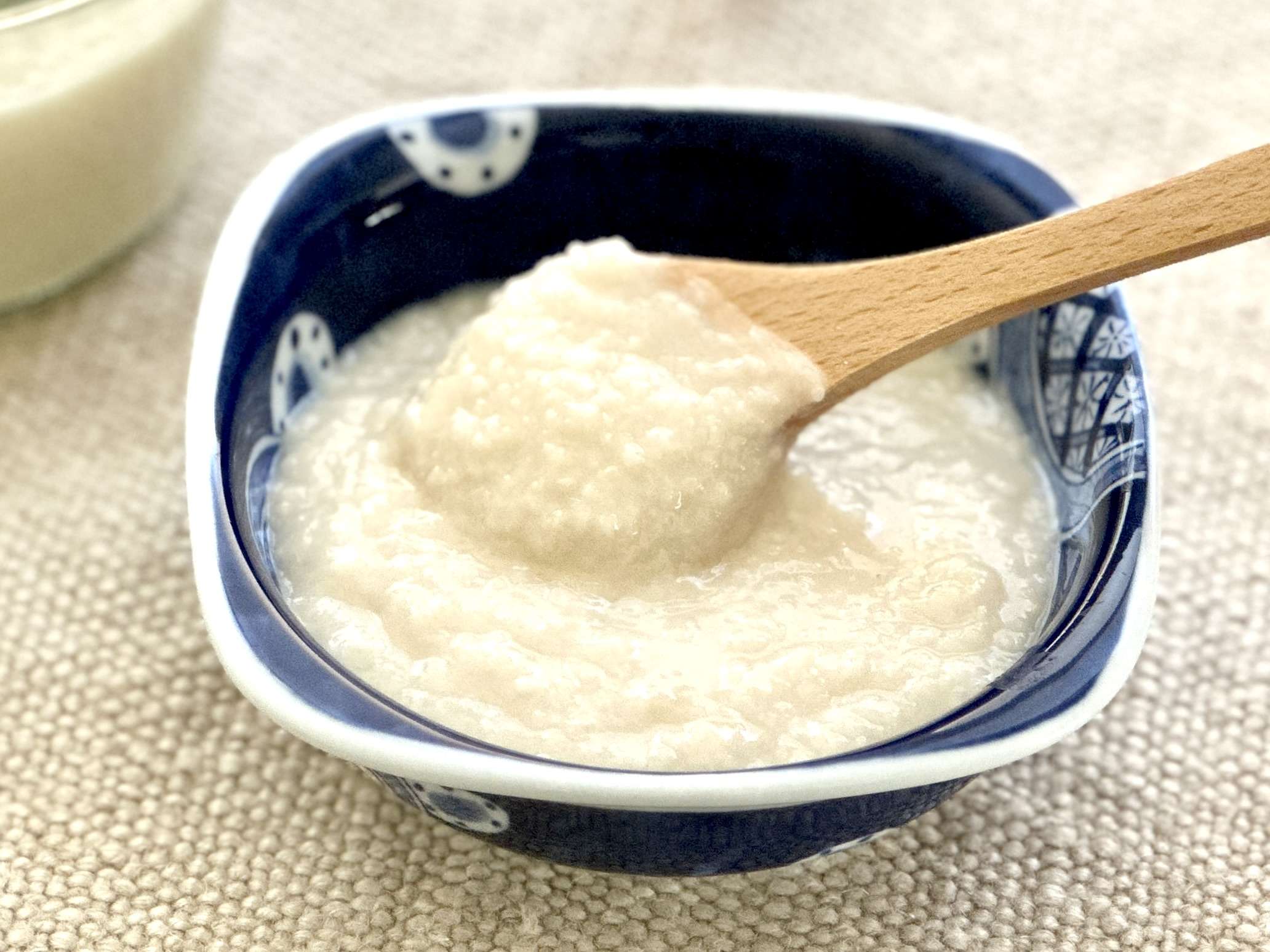
The roots of Shio Koji stretch back over a thousand years, when Koji mold was already central to the production of sake, miso, and soy sauce. Shio Koji itself is closely associated with the Tohoku region, particularly Akita Prefecture, and for most of its history it remained a quiet, regional tradition passed down within households. That changed dramatically in the early 2010s, when a nationwide boom brought Shio Koji into the spotlight. Food writers, television programs, and home cooks across Japan rediscovered it almost simultaneously, and it quickly became a modern pantry essential.
What makes Shio Koji so appealing is that it delivers three things at once: saltiness, umami, and a gentle sweetness. The salt provides the backbone, while the Koji enzymes break down proteins into amino acids, creating a deep, natural umami. At the same time, amylase enzymes convert starches into glucose, giving it a soft, rounded sweetness. The overall effect is far more nuanced than plain salt, with a quiet fermented aroma reminiscent of sake or light miso.
Shio Koji works beautifully as both a seasoning and a marinade, which is exactly what makes this chicken so special. When the breast is coated and left to rest, the enzymes get to work breaking down the muscle fibers, yielding a tenderness that’s hard to achieve any other way. Chicken thighs work great here too if that’s your preference. One important tip: remove the marinade well before cooking, and keep the heat at medium-low. The natural sugars in Shio Koji can cause the coating to burn quickly at high heat, so low and slow is the way to go for the best results.
Packaged Shio Koji is easy to find at Japanese grocery stores, or you can make your own at home with a little patience — it takes about a week but is very much worth it. Either way, once you have it on hand, the rest is a breeze. Marinate the chicken in the morning, and dinner is on the table in just 10 minutes. It’s the kind of recipe that makes a busy weeknight feel completely manageable.
Tips and substitutions for Shio Koji Chicken
- The best cut for this dish is chicken breast. It has a tendency to turn tough and dry out during cooking, but shio koji takes care of that effortlessly — tenderizing the meat and keeping it juicy while still being a healthy, lean protein. Delicious and good for you at the same time.
- For marinating time, anywhere from 30 minutes to overnight works well, making it easy to prep ahead before mealtime. Just keep in mind that marinating too long can over-tenderize the chicken and noticeably change its texture, so overnight is generally the sweet spot for maximum flavor without going too far.
More recipes like Shio Koji Chicken
Video
Ingredients
- 2 chicken breast
- 3 Tbsp Shio Koji
- 2 Tbsp Katakuriko potato starch
- 1 Tbsp oil
Instructions
- Cut chicken breast into large bite size pieces.
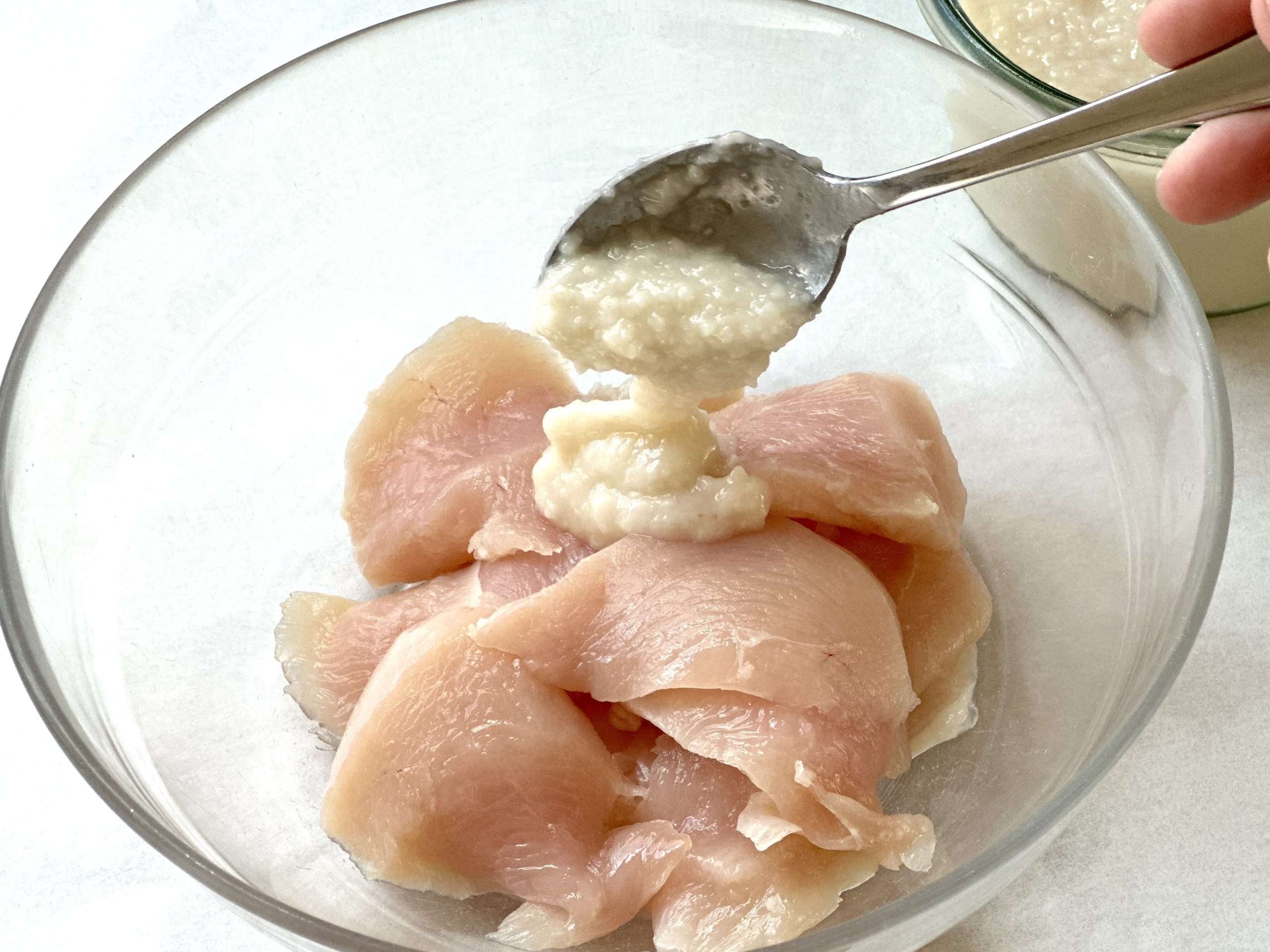
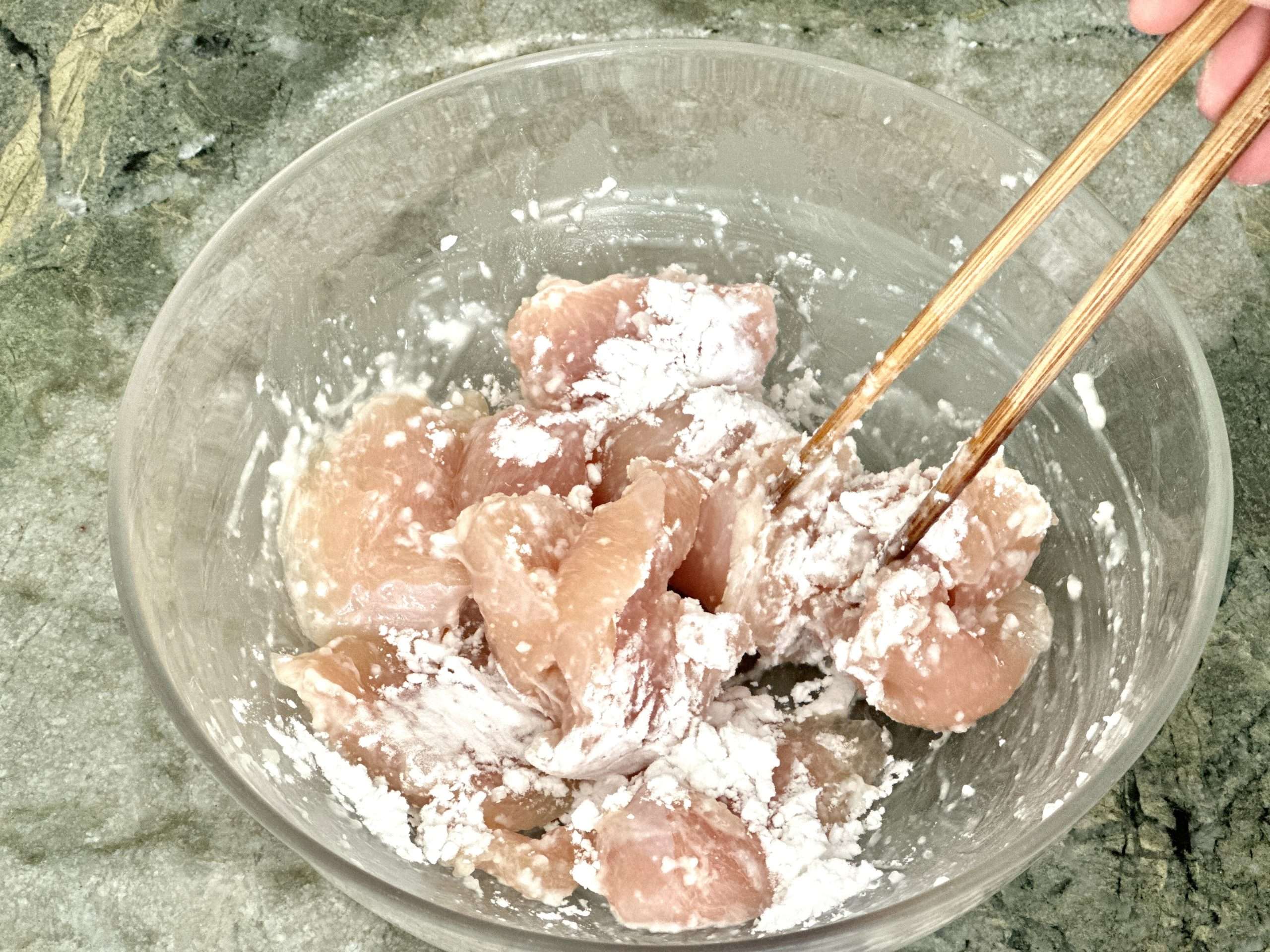
- Put chicken and Shio Koji together, mix, and let sit for 30 minutes. Mix in the potato starch just before cooking.
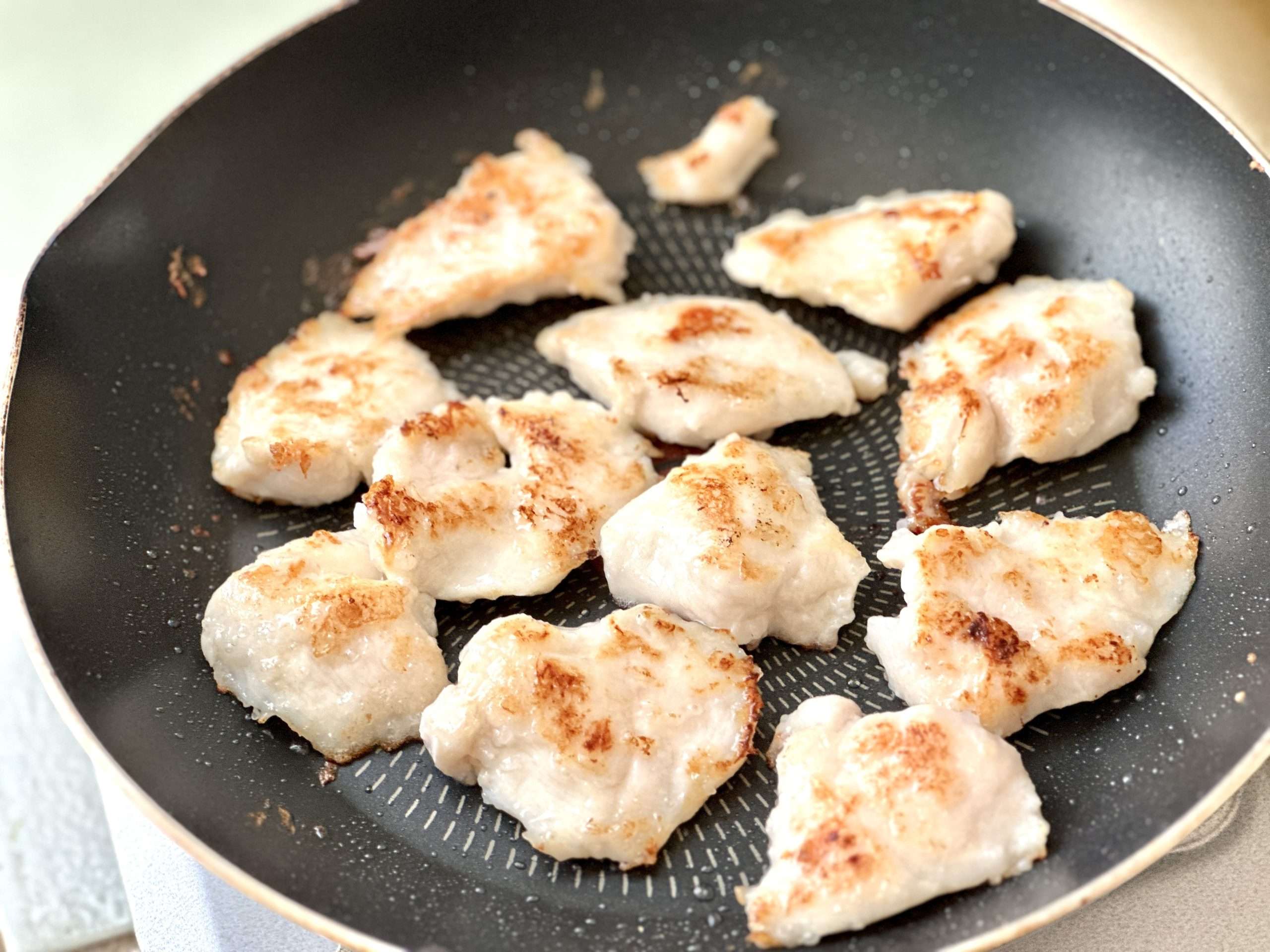
- Heat oil in a frying pan. Cook chicken at medium heat, and turn chicken when browned. Cook the other side covered for 3 minutes at medium low heat. Be careful not to burn the coating.